A Headcorn base and a practical travelling area
The working area includes Maidstone and Ashford, along with nearby villages such as Staplehurst, Biddenden and Sutton Valence. Tenterden and Bethersden are also on the coverage list. These names help describe where Stephen works; your full postcode is the useful detail when arranging an enquiry. A county name alone does not mean that every address across it is within the travelling area.
If you are unsure whether your home falls within reach, ask before planning the job around an assumed visit. Give the postcode, say which rooms are involved and mention relevant access restrictions. A narrow entrance, upstairs room or limited parking can affect how materials reach the work area, even where the location itself is straightforward.
Choose work by the condition of the room
A sound wall with a tired decorative finish presents a different job from one with plaster coming away. Skimming renews the face of a suitable background. Replastering rebuilds missing or failed material. Local patch repairs can make good damage from removed fittings or completed electrical and plumbing alterations without assuming every wall in the house needs attention.
Describe what you can see rather than trying to select a material first. Useful observations include exposed board, a deep channel, rough old patches or a hollow-looking area. Do not pull away uncertain plaster to investigate before the assessment. Where damp or movement is involved, the underlying problem needs attention before a new decorative finish is agreed.
Ceilings deserve their own part of the enquiry
Look at the ceiling as well as the walls when planning a room refresh. Old texture, previous patches, cracks and staining can each change the scope. A smooth skim, overboarding and replacement are different approaches, chosen around the existing ceiling and its support rather than simply the appearance you want after painting.
Mention a previous leak and explain whether its source has been repaired. If material is falling or the ceiling is visibly sagging, keep people clear and seek appropriate professional advice rather than pressing it to test its strength. Electrical fittings, alarms and fans also belong in the plan, with the relevant electrical work arranged separately.
Older finishes and details you want to keep
Tell Stephen about retained coving, ceiling roses, beams and other edges before deciding the extent of a finish. Plastering around a feature is not the same scope as removing it. Traditional materials and listed-building requirements may need separate advice, so check the position with the council before changing protected features.
Older textured coatings may contain asbestos. Do not sand or scrape an unidentified coating. Obtain suitable testing or survey advice before work that could disturb it. Skimming over a suitable artex surface is an offered service, but safety and the background must be considered first. Testing and removal are matters for the appropriate specialists.
Boarding, coving and exterior work
New partitions, extensions and altered rooms may need plasterboarding before their final finish. Explain who is completing the framing and services, and whether you need boarding, skimming or both. The joins with retained walls, window reveals and planned storage are worth including rather than describing only the largest flat area.
Rendering concerns the outside of the home. Keep exterior photographs separate from interior ones and show the whole affected wall as well as any damaged detail. Existing loose render, access at height and problems around gutters or openings influence preparation. Coving, by contrast, finishes the indoor junction between wall and ceiling and can be discussed with the room work.
Arrange a clear, useful quote
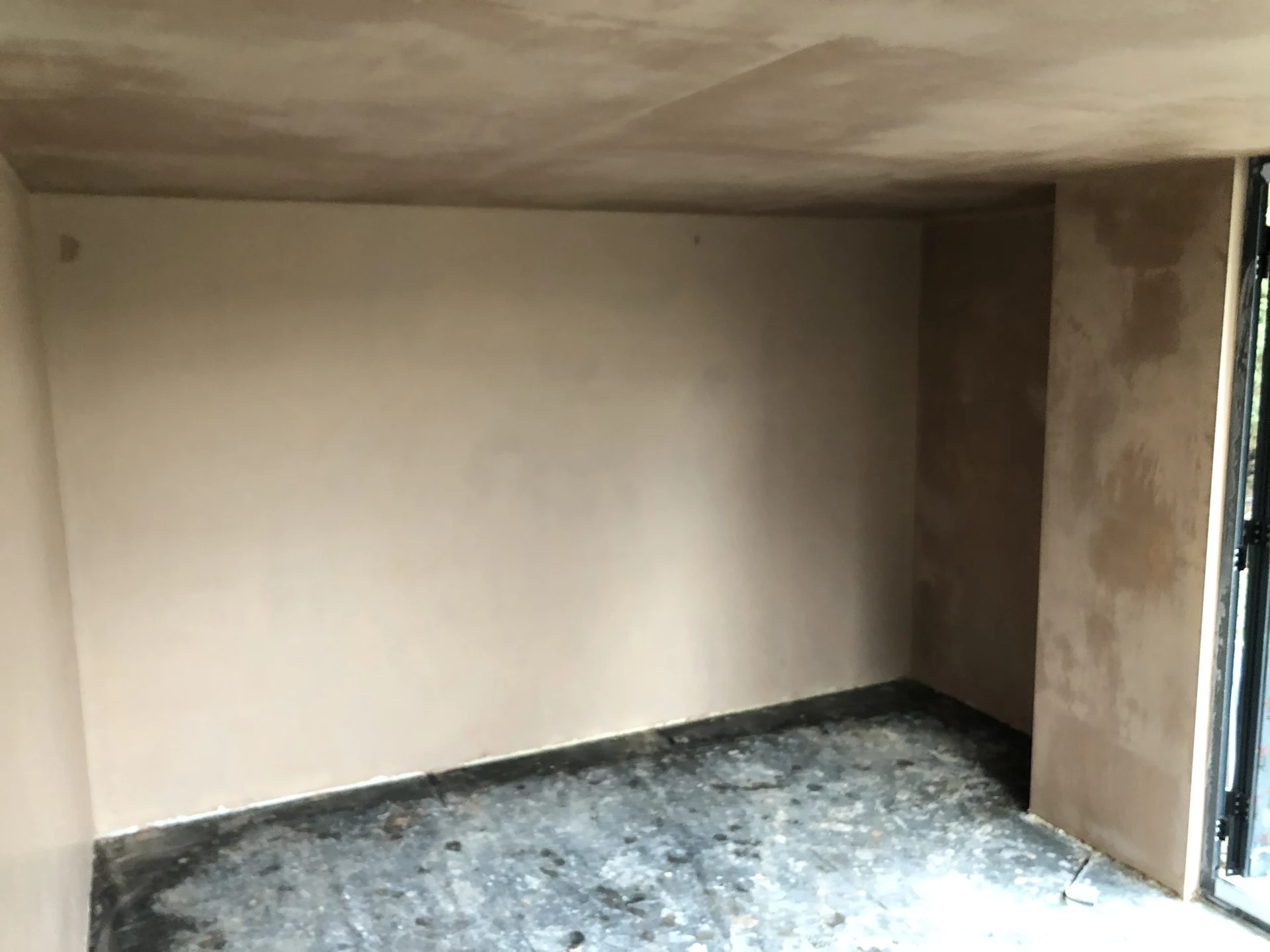
Stephen has 25 years' experience, is Level 2 qualified in solid plastering and is British Gypsum certified. The website's gallery contains his real job photographs, showing rooms, ceilings, coving, boarding and repairs. Use them to explain a finish you like, while remembering that the condition of your own surfaces determines the preparation required.
For a free quote, provide your name, phone number and postcode, then describe the work and any alterations still outstanding. Wide photographs and closer views can start the conversation. Call 07852 191811, Monday to Saturday between 7:30am and 6:30pm, or use the enquiry form. Agree the surfaces, preparation and sequence before booking other work around drying and decorating.
Questions homeowners ask
Does the Kent hub mean every address in the county is covered?
Coverage is up to 25 miles from Headcorn, not an unrestricted county-wide service. Send your full postcode so Stephen can confirm the location of the enquiry.
Can I discuss indoor plastering and outside render together?
Yes. Describe them separately and include photographs of each area, so wall condition, access and preparation can be considered for the two parts of the job.
Do I need to decide between repair, skim and boarding first?
No. Explain the existing surfaces and the result you want. Their soundness, construction and any unresolved damage guide the suitable method.