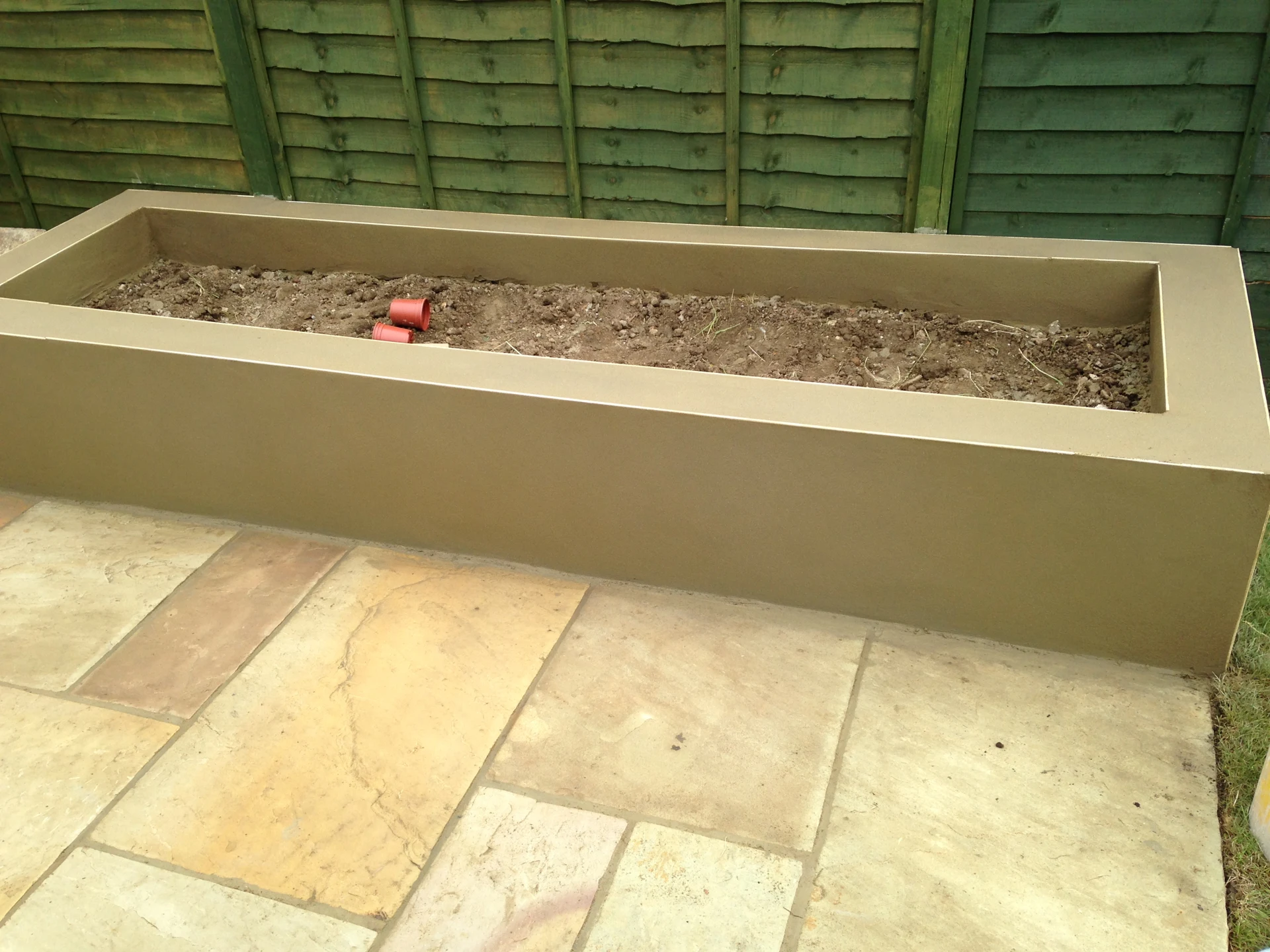
Why render a wall
Render protects the brick or block underneath from weather and can refresh the look of a house, covering patchy or mismatched brickwork or hiding previous repairs. It's often considered alongside other external work, such as after a wall has been altered or repaired.
Preparing the surface
The wall needs to be sound, clean and free of loose material before rendering starts. Cracks or unstable areas are made good first, and any old, failing render is removed so the new coats have a stable base to key onto.
Weather and timing
Render needs reasonable weather to go on and cure properly, avoiding frost, heavy rain or extreme heat. This means timing can shift around the forecast, and jobs are generally planned with a realistic weather window in mind rather than a fixed date regardless of conditions.
Patch repairs versus full walls
A small area of damaged or cracked render can often be patched rather than redoing the whole wall, which keeps disruption and cost down for a localised problem. Where render has failed more widely, or a patch would be too visible against the surrounding finish, redoing a full wall gives a more even result.
Checking the wall before rendering
Before rendering, the existing wall surface is checked for loose or crumbling render, damp staining, or cracks that run through the brickwork itself rather than just the surface coat. Any loose or hollow-sounding areas of old render are removed back to a sound base so the new render has something solid to bond to, rather than being applied over material that's already failing.
Weather and timing considerations
External rendering is weather-dependent work. It's not carried out in frost, heavy rain, or very hot, direct sun, since all of these affect how the render cures and can lead to cracking or poor adhesion. Spring and autumn tend to offer the most reliable conditions, though render can be applied through most of the year when the forecast allows, with jobs timed around suitable weather windows rather than fixed dates.
Protecting windows, doors and the ground below
Windows, doors, downpipes and any nearby planting are masked or protected before rendering begins, and sheeting is laid along the base of the wall to catch drips and spatter. Scaffolding or towers are used for anything above easy ladder reach, and access routes around the house are kept clear for the duration of the work.
Patch repairs versus a full wall
A small area of cracked or blown render on an otherwise sound wall can often be patched rather than re-rendering the whole elevation, though getting a patch to blend in with weathered render nearby isn't always straightforward. Where damage is spread across a wall, or the existing render is old and failing in several places, redoing the full elevation tends to give a more consistent, lasting result.
Types of wall suited to rendering
Render is applied to a range of wall types, including traditional brick or block walls and newer blockwork finished to take a rendered coat rather than facing brick. The approach to preparing the wall varies a little depending on what's underneath, which is one of the things assessed before giving a view on the work involved.
Cracking and movement in render over time
Render can develop fine cracks over time as a building settles slightly or as temperatures change through the seasons, and this is a normal part of how a rendered wall ages rather than always being a fault. Larger cracks, or render that's come away from the wall and sounds hollow when tapped, are a sign that a section needs attention rather than just cosmetic cracking.
Cracks, moisture and the background
Cracks in an outside finish are not all caused by the same thing. A local impact, a weak bond or movement in the wall may each require a different response. Covering a crack without understanding it can simply hide a problem temporarily. Where the masonry itself appears affected, the underlying condition needs appropriate assessment before applying a replacement finish.
Rainwater from a leaking gutter or poorly directed downpipe can damage the surface over time. Those faults should be addressed alongside the decision to repair render. New material does not correct a drainage problem, and persistent moisture can undermine the result even if the application looks sound initially.
Discussing the appearance of a repair
Existing render changes colour and texture as it weathers. A new patch may remain visible, even where the repair itself is well finished. Consider the size of the damaged area, the surrounding condition and whether future decoration is planned when comparing a local repair with wider work.
Photograph the wall from far enough away to show the full elevation, then add closer views of any damage. Mention nearby doors, garden boundaries and restricted access. Exterior work can need space for safe equipment and materials, so those practical details are useful before deciding the scope of the quote.
Questions homeowners ask
Can render be patched or does the whole wall need redoing?
A small, localised area of damage can often be patch repaired. Where render has failed more widely, or a patch would stand out against the rest of the wall, redoing the full elevation usually gives a better, more even result.
What weather is needed for rendering?
Render needs reasonable conditions to go on and cure properly, so frost, heavy rain and extreme heat are avoided. Timing is planned around a suitable weather window.
Does the wall need preparation before rendering?
Yes, the wall needs to be sound and clean, with any loose or failing material removed first, so the new render has a stable surface to key onto.
Is rendering only for the outside of a house?
Rendering as covered here is for external walls. Internal walls are typically plastered or skimmed instead, covered on the plastering and skimming pages.