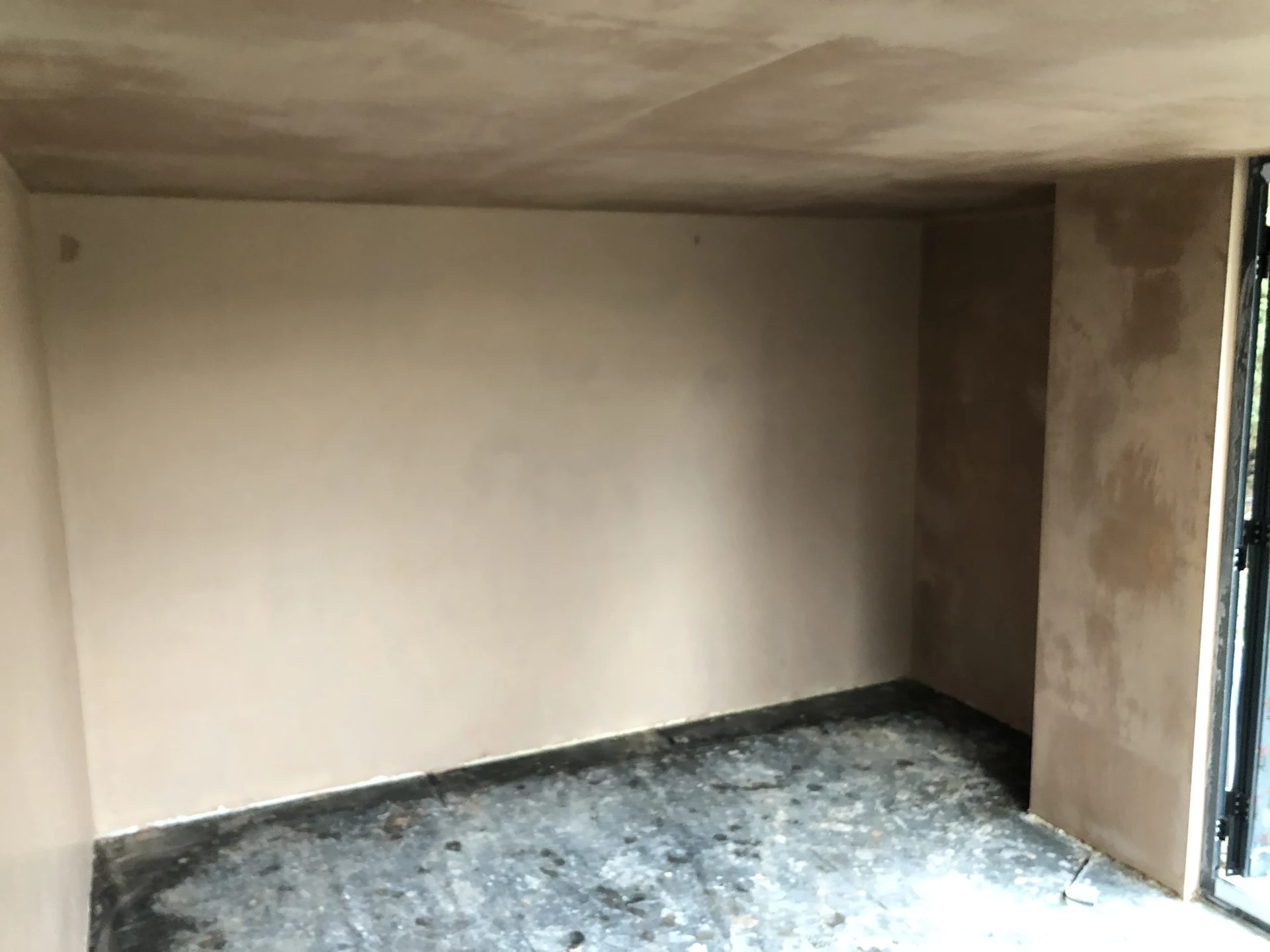
Replastering walls and ceilings
Replastering is needed where plaster has blown, cracked badly, come away from the wall or ceiling background, or been removed as part of other building work such as damp treatment or a rewire. The old plaster is taken off down to brick, block or board, and new coats are built up and finished smooth.
On ceilings, replastering is often combined with overboarding if the existing plasterboard has sagged or come loose from the joists. Walls affected by damp usually need the underlying cause addressed first, since replastering over an active damp problem won't last.
Replastering versus skimming
If a wall sounds hollow when tapped, has large cracks, or is visibly bowed or crumbling, it generally needs replastering rather than a skim. A wall that's structurally sound but rough, marked or uneven in finish is usually a good candidate for a skim coat instead. The skim or replaster guide goes into this in more detail.
Preparation and protecting the room
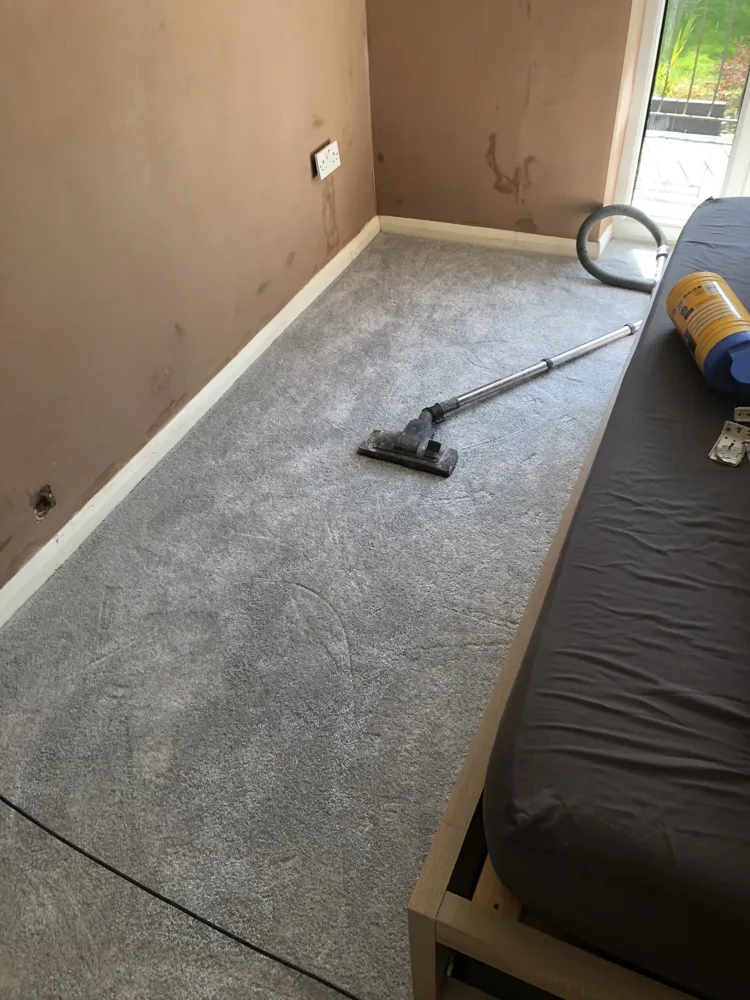
Before any plastering starts, floors, skirting and fittings are covered to protect them from dust and splashes. Sockets and switches are masked off, and furniture is moved clear of the work area wherever possible. Old plaster is removed carefully to limit mess, and debris is cleared as the job progresses.
Drying before decorating
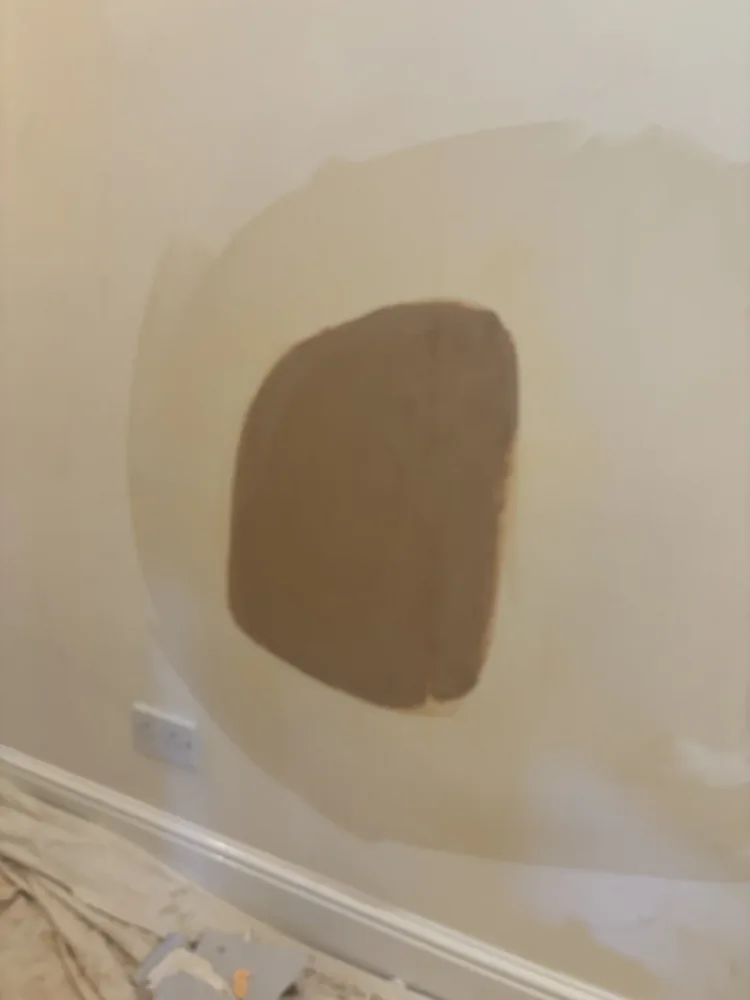
New plaster needs time to dry before it's painted. It typically changes from a dark, damp colour to a lighter, even tone as it dries, and this can take from several days to a couple of weeks depending on thickness, ventilation and the time of year. The drying guide covers this in full, including advice on mist coats.
Related services
Plastering work is often carried out alongside skimming, coving or rendering. See the skimming, artex, ceilings and coving pages for related work, or the full room replastering page for larger jobs covering an entire room.
Signs your plaster has failed
A few warning signs are worth checking for before deciding plaster needs replacing. Tap the wall gently with a knuckle: a dull, hollow sound usually means the plaster has lost its bond with the brick or block behind it. Fine hairline cracks that follow the line of a plasterboard joint are often just joint movement, but wide, diagonal or spreading cracks point to a more serious problem underneath.
Flaking, crumbling or powdery patches, especially near skirting boards or below window sills, are often linked to damp rather than the plaster itself, and that underlying damp needs addressing before new plaster goes on, otherwise the same problem will return.
What happens to the old plaster
Where a wall or ceiling needs replastering, the failed material is hacked off back to a sound base, whether that's brick, block or plasterboard. This stage produces a fair amount of rubble and dust, which is bagged up and removed as the job goes on rather than left to pile up. Any exposed brickwork is checked over before new plaster goes on, since loose mortar joints or damaged areas are easier to deal with at this stage than later.
Working around sockets, pipes and fittings
Walls often have sockets, light switches, radiator pipes or old fittings embedded in them. These are worked around carefully during replastering, with switches and sockets isolated and protected rather than removed unless that's been agreed beforehand. Where a wall has had cables chased into it as part of other work, the plaster is built up over the chase to leave a flat, even surface once it's dry.
Older properties and lime plaster
Homes built before around the 1920s were often originally plastered with lime rather than modern gypsum plaster, and lime walls behave differently: they're generally more breathable, which matters where solid walls need to let moisture pass through rather than trap it. Replastering an older solid-walled property sometimes calls for a different approach to a modern cavity wall, and it's worth mentioning a property's age and wall type when describing a job so the right materials and method are used.
What tools and materials look like on site
A typical plastering visit involves mixing plaster in small batches to a workable consistency, applying it with a hawk and trowel, and working methodically across a wall or ceiling in sections so each area is finished before the plaster starts to set. Buckets, mixing paddles and trestle boards are standard kit for most jobs, and are cleaned down and removed from the property once the plastering stage is complete.
After building work has changed a wall
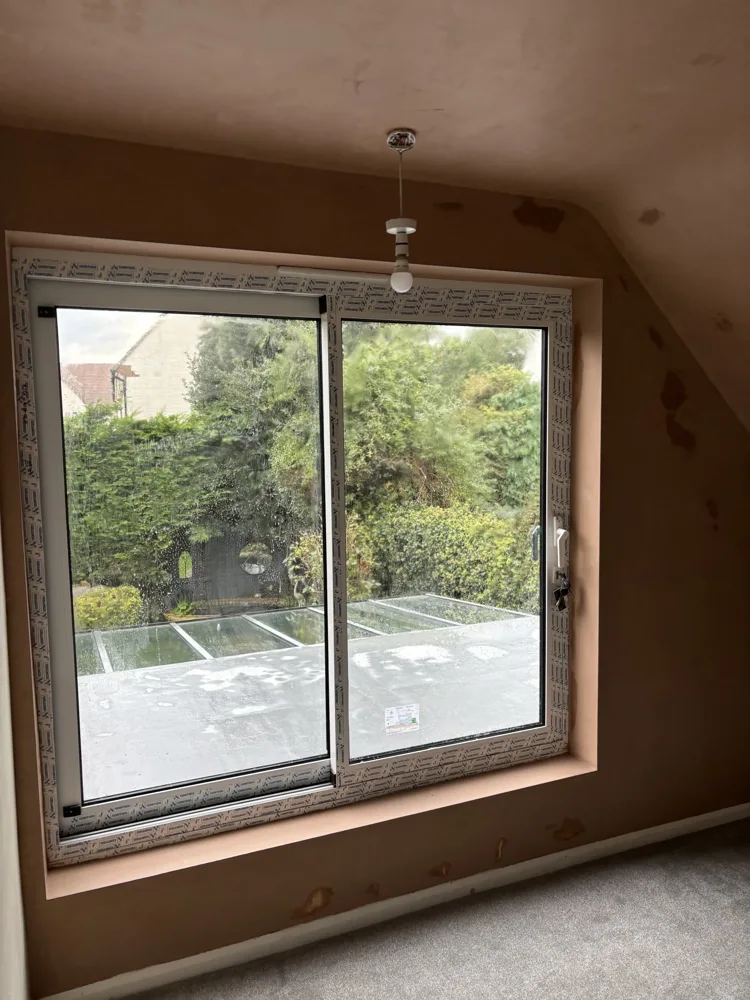
A rewire, a removed partition or a replaced window can leave several different backgrounds on one wall. Exposed masonry, old plaster and new board do not necessarily absorb moisture at the same rate. These changes matter when deciding how the new surface should be prepared. Rather than assuming that one finishing coat will disguise everything, the condition and depth of each area need to be considered together.
Tell the plasterer about any repairs hidden behind the surface. A recently treated damp patch, filled opening or redundant pipe chase may not be obvious in a photograph. Explain which work has been completed and which trades still need access, so the plastering can follow the right sequence. Decorating is normally the last step, after the new material has dried and any further alterations are finished.
Questions homeowners ask
How do I know if a wall needs replastering or just a skim?
Hollow sounds when tapped, large cracks, or crumbling and bowed sections usually mean replastering is needed. A sound but rough or marked wall is more often suitable for a skim coat. A visit or photos can confirm which applies to your wall.
Can plastering be done in an occupied house?
Yes, most plastering jobs are carried out in homes while people are living there. Rooms are protected before work starts and the work area is left clean once a job is finished.
Do you plaster both walls and ceilings?
Yes, plastering covers walls and ceilings, including replastering, skimming, and coving where it's wanted to finish the join between the two.
How long does plaster take to dry before painting?
This varies with thickness, heating and ventilation, and the time of year. See the drying guide for general timings and advice on mist coats.
Do you cover full room replastering?
Yes, full room replastering is covered on its own page, including when it's typically needed and what to expect from the process.