Treat paint and plaster as separate layers
A painted wall can look continuous while concealing different conditions underneath. The first question is whether the visible coating is secure; the second is whether the existing plaster remains firmly attached to its background. A satisfactory answer to one does not establish the other.
For example, an intact-looking painted face can sit over hollow plaster, while a sound wall may have loose paint that needs preparation. Describe both kinds of evidence when asking about the job. Avoid reducing the enquiry to whether a particular colour can be covered.
Separate surface roughness from a failing wall
Skimming is intended to smooth a sound surface. It can be appropriate where a painted wall is rough, marked or uneven in finish but the existing plaster remains well bonded. Replastering is a different job, involving removal of failed material and rebuilding from a suitable background.
Look for visible bulging, crumbling areas and significant cracking rather than assuming a smoother top coat is the answer to every defect. Hollow-sounding plaster is another reason for assessment. A thin finish cannot make a detached background secure.
Identify loose and flaking coatings
Loose paint is specifically part of the background check before skimming. Flaking coatings and old distemper can prevent the new material bonding properly, so they cannot be ignored simply because most of the wall still looks covered. Point out these areas before agreeing the preparation.
Do not assume that a patch with missing paint is necessarily the full extent of the issue. The condition around it matters, as does the plaster below. Equally, visible flaking does not by itself prove that all plaster must come off. Ask what coating preparation is required and where it should stop.
Give powdery patches their own attention
A powdery area needs consideration before a finishing coat is applied. It belongs in the surface assessment alongside loose coatings, rather than being treated as a cosmetic mark that the skim will hide. Tell the plasterer whether it occurs across the wall or only near the floor, a window or an old repair.
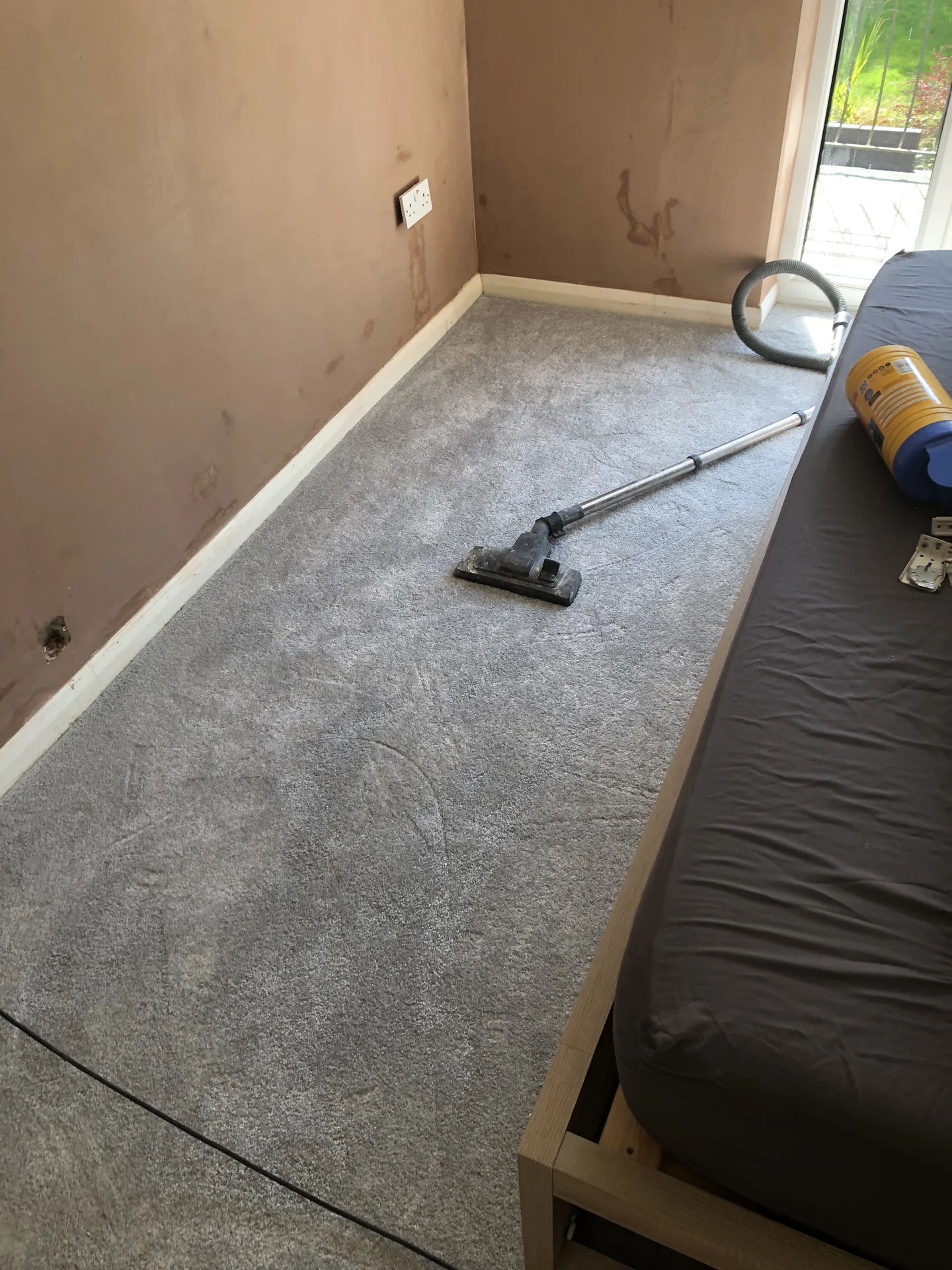
Location and history provide useful context. Crumbling or powdery plaster near skirting or below a sill can be associated with damp, while a wall may also contain areas prepared differently during previous decorating. Do not diagnose the cause from appearance alone.
Explain previous repairs and different finishes
An old painted wall may contain filler, repaired channels, replacement board and areas of original plaster. The paint can make those changes less obvious without removing their importance. Different backgrounds may absorb moisture differently and require preparation that considers the whole surface.
Tell the plasterer about a rewire, a removed fitting or a repaired opening, even if the area has since been painted. Explain whether any work is unfinished behind the surface. If only part of the wall was previously repaired, show where that part begins and ends.
Let the background determine the bonding treatment
The preparation guidance describes PVA or a proprietary bonding agent being used where appropriate to help a skim grip, particularly on smoother or more absorbent surfaces. That does not make one product an automatic solution for every painted wall. The existing finish and background need to be considered first.
Do not apply a sealer simply to get ahead of the job. A coating chosen without assessment can create extra work, and bonding preparation does not turn loose paint or failed plaster into a dependable base. Ask which treatment is proposed and what preparation comes before it. The useful answer explains how the sound background will be established, not just the name of something to brush over the decoration.
Decide how local defects will be made good
A wall with one damaged area does not automatically need all its plaster removed. Local repairs can make sense where the surrounding material remains sound. The repair still needs stable edges and an appropriate build-up, which may make it larger than the initially visible hole or loose patch.
Ask whether the work involves a patch alone, a patch followed by a wall-wide skim, or more extensive replacement. These are different scopes even if each ends with a smooth-looking surface. When a painted wall includes deeper damage, a thin finishing layer should not be expected to supply all the missing depth. Clarifying the repair stage helps avoid judging the proposal only by the final coat mentioned in the description.
Do not bury damp or changing cracks
Bubbled paint, staining and soft plaster should prompt questions about moisture before any finish is renewed. If the wall has been affected by a leak or damp treatment, explain what happened and what has been done about the source. A new skim does not resolve an active water problem.
Cracks also need context. Fine, stable surface lines differ from cracks that are widening, recurring or spreading, and a photograph cannot establish every cause. Record where a crack runs and whether it has changed. Where movement or an unresolved problem is suspected, further professional advice may be needed before decorative repair. The decision is about whether the wall is ready to receive plaster, not merely whether the old paint can be hidden.
Discuss the intended finish in daylight
Show the wall in natural daylight when discussing the result, especially if a window casts light along its face. Side lighting makes bumps more visible than light shining directly towards the wall. This is useful context for a painted wall with old repairs or a visibly uneven finish.
Be clear about which surface is being improved and whether corners, reveals or adjoining walls are included. A skim is a thin finishing layer over a suitable base, not a substitute for rebuilding an unsuitable background. Discuss visible irregularities before work starts so the scope distinguishes preparation, any deeper repair and the finish itself. Leave the decorating method to the separate painting guidance rather than using a new coat of paint to assess an unprepared wall.
When to call a professional
Arrange an assessment if the coating flakes widely, the surface is powdery, or the plaster sounds hollow or appears loose. The same applies where several previous repairs meet or the wall has a history of damp. These conditions require more than a yes-or-no answer about plastering over paint.
If cracks are new or changing, explain that before asking for a cosmetic finish. If water is still entering, address its source with the appropriate trade first. Do not strip large areas to prove what is underneath or add a treatment to conceal uncertainty. A professional assessment should identify what can remain, what needs preparation and what requires repair, with any concerns outside ordinary plastering considered before the surface is covered.
Enquire with the coating and wall history
For a useful enquiry, describe the existing coating as accurately as you can without guessing its specification. Include whether it is intact, peeling or powdery and whether the wall has hollow areas, old patches or visible cracks. Send a wide photograph and close-ups of the relevant defects.
Add the room, postcode and any known leak, damp treatment or building alteration. Ask whether the likely scope is coating preparation and skimming, local making good, or a larger plaster repair. If you intend to do some preparation yourself, ask exactly what should be left for assessment. The next step is a plan for the actual painted background, not a general promise that all painted walls can receive the same treatment.
More about this topic
Does painted plaster always need stripping back to masonry?
No. The condition of the coating and the plaster underneath determines the scope. Sound plaster may remain after appropriate surface preparation; failed plaster may need removing. Paint by itself is not a reason to strip the entire wall.
Can bonding agent make peeling paint suitable to skim?
Do not treat bonding agent as a substitute for a stable background. Loose coatings need assessment and preparation first. The chosen treatment should suit the surface that remains, rather than simply cover paint that is already coming away.
What if only one patch of paint is bubbling?
Show its location and explain any damp or leak history. A local defect may need local attention, but moisture must be considered before deciding it is just a paint problem that a finishing coat can cover.
Do old painted repairs matter if they look smooth?
Yes. Repaired chases, filler and replacement board can create different backgrounds beneath a continuous painted finish. Mention them so preparation can account for the wall’s history and any differences across its surface.
Should I identify the exact old paint before enquiring?
Share what you know, but do not invent a product name. Clear photographs and an honest description of flaking, powdering or previous repairs are useful. The existing surface still needs assessment before a preparation method is chosen.