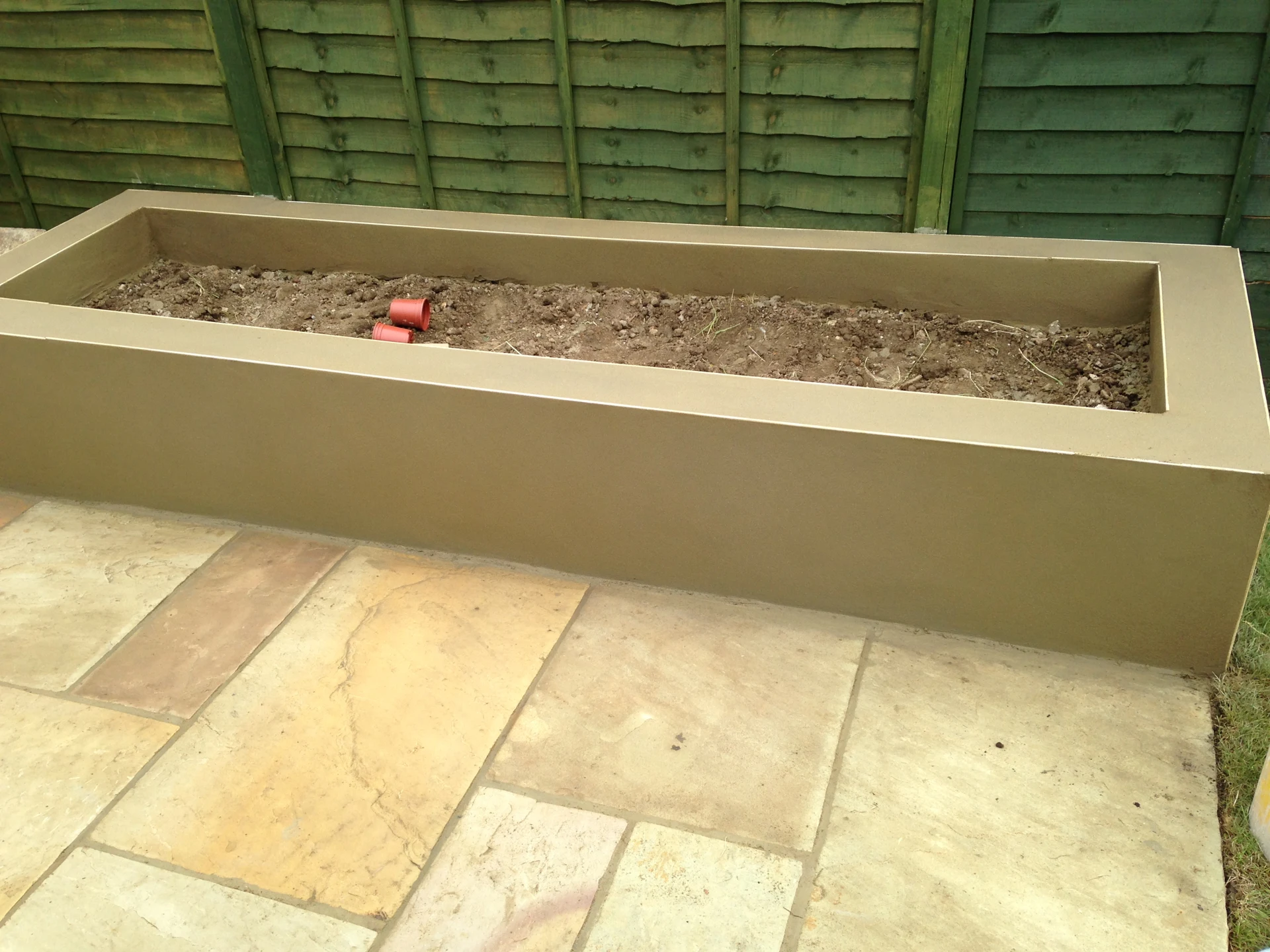
Start by checking the wall
Before deciding on a finish, look at the wall as a structure. Note leaning, bulging, loose or missing bricks, open joints, failed coping and cracks that appear to be widening. Rendering is not a substitute for rebuilding unstable masonry or correcting movement. A coating may hide the warning signs temporarily while the underlying issue continues, so establish that the wall is sound before covering it.
Check both faces where accessible and look at the base, corners and any changes in height. Garden walls often have uneven exposure: one side can be shaded by planting, while the other receives sun and wind. Soil piled against the wall or plants growing into joints can keep masonry wet. Identify these conditions before work, because they influence preparation, drying and how well the finished surface is likely to perform.
Moisture and drainage need attention
Water is a major consideration for a garden wall. Rain can fall on the top, run down the face or enter through damaged joints and defective coping. If the wall retains soil, moisture pressure and drainage become especially important. A render coat cannot correct a drainage problem, and trapping water behind a finish can contribute to debonding, staining or deterioration. Ask whether water can escape and whether the wall has suitable protection at its top.
Look for persistent dampness, white deposits, algae, moss and dark patches. These signs do not all have the same cause, but they suggest that moisture conditions should be understood before rendering. Improve obvious water management where appropriate, such as keeping rainwater directed away and preventing soil or vegetation from bridging details. Where the wall retains earth or shows structural distress, obtain suitable building advice before proceeding.
Preparation and repairs
Sound preparation is essential. Loose pointing, dust, plant growth and unstable old coatings need to be dealt with in a way that does not damage the masonry. The exact method depends on what is on the wall and whether the bricks and joints are sound. Repairs should use compatible materials and be allowed to reach the condition required before the new coating is applied. Simply covering crumbling joints can leave a weak layer beneath the render.
The wall may need local repairs, cleaning or other preparation depending on its substrate. Avoid aggressive cleaning that erodes brick faces or forces water deep into the masonry. If an old finish is difficult to identify, or there are several layers, seek advice before removing it. The chosen render and preparation should suit the wall rather than follow a one-size-fits-all method.
Finish, coping and edges
Think about how the wall will look alongside paving, fencing, planting and the house. Texture and colour affect the overall appearance, but practical details matter just as much. The top of a wall is particularly exposed. A suitable coping or cap should shed rain clear of the face, with details that avoid water tracking back onto the render. Edges, corners and changes in level also need careful treatment so they do not become weak points.
Consider whether both faces are to be finished and how the render will terminate at gates, posts and adjoining structures. A finish should not obstruct drainage gaps or cover fittings that need access. Confirm expectations about texture and colour before work begins, as samples and the completed wall can look different in changing light. Good detailing helps the finish look intentional and reduces avoidable water exposure.
Weather, curing and ongoing care
Rendering depends on suitable working conditions. Rain, frost, strong sun and drying winds can all affect application and curing. The right approach depends on the specified materials and the conditions on site, so work should be planned around product guidance and the wall’s exposure. A newly finished surface needs appropriate protection while it settles; it should not be treated as fully weatherproof simply because it has hardened at the face.
Once finished, inspect the wall periodically, especially after severe weather. Keep vegetation from pressing against the surface and make sure coping and drainage remain clear. Attend to cracks, damaged edges or water staining early, but first identify why they have occurred. Routine observation can help distinguish a small local defect from a continuing issue with movement or water management.
When to call a plasterer
Get professional advice if the wall leans, bulges, has significant or growing cracks, contains loose masonry, retains soil or remains persistently damp. A rendering professional can discuss the finish and surface preparation, while structural movement or retaining-wall concerns may require an appropriate building specialist. Do not rely on render to disguise a wall that needs repair or rebuilding.
Stephen O'Brien Plastering is based in Headcorn and travels up to 25 miles. Stephen has 25 years’ experience, is Level 2 qualified in solid plastering and British Gypsum certified. Call 07852 191811, Monday to Saturday, 7:30am to 6:30pm, to discuss rendering work. Clear photographs and a description of the wall’s condition can help explain the question, though an on-site assessment may be needed.
More about this topic
Can any garden wall be rendered?
Not necessarily. The wall should be stable, its masonry and joints sound, and moisture conditions understood. Retaining walls, unstable walls and walls with persistent damp need particular care and may need other work first.
Will render stop a garden wall getting damp?
Render should not be treated as a cure for water entering through the top, joints, soil or defective drainage. Identify and address the source of moisture before choosing a finish.
Does the top of a rendered wall need protection?
The top is exposed to rain, so suitable coping or capping and careful water-shedding details are important. The right arrangement depends on the wall and should avoid water running back onto the face.
Can render cover cracked bricks and joints?
It may conceal them, but it will not correct movement or weak masonry. Establish why the cracks or deterioration exist and repair the wall appropriately before considering a coating.