Why temperature matters
Fresh plaster needs appropriate conditions to set and dry. Cold rooms slow the process, and a freezing background can put the work at risk. A wall that feels cold to the touch may also make the plaster firm differently from a warmer wall. This affects when it can be levelled and finished, so the timing may change during the day.
Cold weather often brings closed windows and limited airflow, while everyday cooking and washing add moisture to the home. The combination can leave a damp room in which plaster dries slowly. Sensible ventilation and steady background heat help, but should not be replaced by blasting the wall with a direct heater.
If several rooms are being plastered, plan a sequence that allows heat and ventilation to be managed without exposing fresh work to cold air from other parts of the home. Keep pets and children away from wet surfaces, and avoid leaning items against walls. These simple precautions help protect the finish while it dries.
Preparing the room
Before work, clear enough space for access and protect floors and nearby fittings. Make sure the room can be heated safely and that doors or windows can be managed to maintain a suitable environment. If the property has been unheated for a long period, the walls themselves may be cold even after the air warms up.
Tell the plasterer about any heating restrictions, draughts, recent leaks or rooms that are not occupied. A wall that is still damp from a building repair needs assessment before new plaster is applied. Work should not proceed simply because the calendar or decorating schedule says it must.
A dehumidifier may help manage excess room moisture when used appropriately, but it should not be treated as a way to force fresh plaster dry. Read the equipment guidance and ask the plasterer before using one in the room. The key is a measured drying environment rather than rapid extraction at any cost.
Keeping fresh plaster safe
Fresh plaster should be protected from frost, strong draughts and abrupt temperature changes. Keep the room at a reasonable, steady temperature, using safe heating rather than a hot air stream aimed at the surface. Avoid leaving doors wide open to freezing outside air, but do not seal a moisture-filled room completely.
Ventilation removes moisture as it leaves the plaster, yet excessive cold airflow can chill the surface. The balance depends on the home and the weather. The plasterer can explain how to manage the room after finishing. Follow that advice rather than turning the heating to its maximum or opening every window for long periods.
Drying times in winter
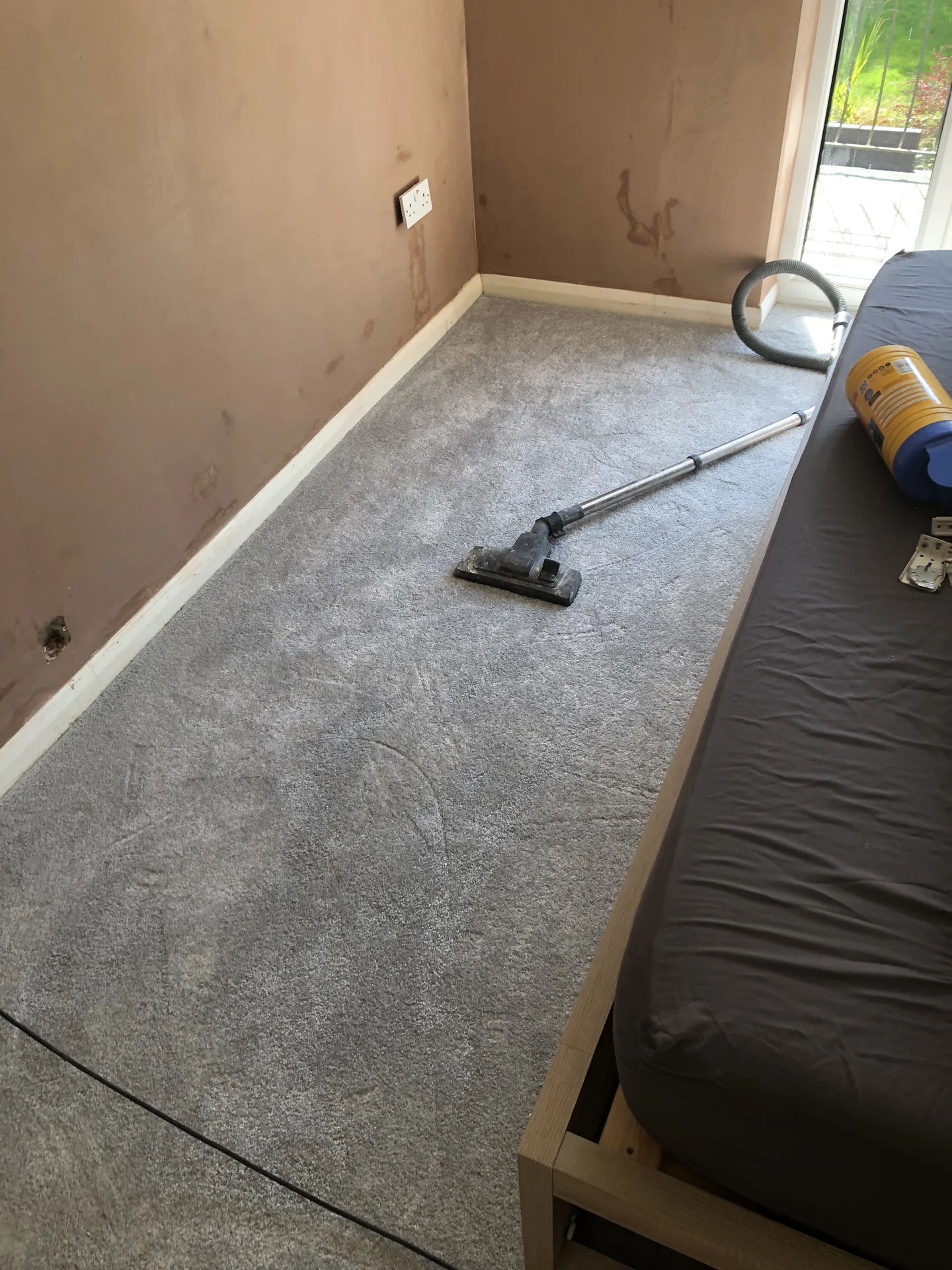
Winter generally extends drying time because the air and backgrounds are cooler and rooms may have less ventilation. Thicker areas, corners and places behind furniture can remain damp after the main wall has changed colour. The surface should be assessed as a whole; a pale patch is not proof that every part is ready to paint.
Do not use a fixed number of days as a promise of readiness. A small, warm room with good airflow behaves differently from a cold room with thick plaster. Wait until the plaster is evenly dry and ask the plasterer if you are unsure. Applying paint too soon can trap moisture, create uneven colour or affect the final appearance.
Common winter mistakes
A common mistake is trying to speed up drying with intense heat. Rapid drying can make the surface dry unevenly and may contribute to cracking or a poor finish. Another is shutting the room tightly to conserve warmth while leaving moisture with nowhere to go. Use steady warmth and sensible air exchange instead.
Decorating to meet a fixed move-in date can also be risky. If the plaster is not dry, postpone painting rather than covering it. Likewise, avoid placing furniture tight against newly plastered outside walls while they dry, as this can restrict airflow. Plan the work with enough flexibility for seasonal conditions.
When to call a plasterer
Ask a plasterer before booking if the room is unheated, the property is empty, the wall is damp or frost is forecast during the work. They can advise whether conditions need improving or the job should wait. A plasterer should also be consulted if fresh work develops persistent damp patches, cracks or powdery areas rather than being covered with paint.
Send details of the room, heating and the surface to be plastered when asking about a winter job. This helps establish whether the conditions are likely to be suitable and what preparation may be needed.
More about this topic
Can plastering be done in winter?
Yes, provided the background and room are suitable and fresh plaster can be protected from frost and extreme conditions.
Should I leave the heating on after plastering?
Steady, moderate background heat can help, but avoid intense direct heat. Follow the plasterer’s advice for your room.
Does plaster dry more slowly in cold weather?
Often it does. Temperature, ventilation, thickness and background all affect drying, so wait for the surface to dry evenly.
Can I open windows while plaster dries?
Sensible ventilation helps remove moisture, but strong cold draughts can chill fresh plaster. Ventilate carefully and avoid extremes.