What affects drying time
Thicker plaster, such as a full replaster, takes longer to dry than a thin skim coat. Heating and ventilation in the room also play a part: gentle background warmth and some airflow help moisture leave the plaster, while a cold, damp or sealed-up room slows drying down considerably.
Seasonal differences
Plaster generally dries faster in warmer months when rooms are naturally better ventilated, and more slowly over winter when heating patterns and closed windows can trap moisture in a room. This means the same job can take noticeably different amounts of time depending on when it's done.
The colour change as it dries
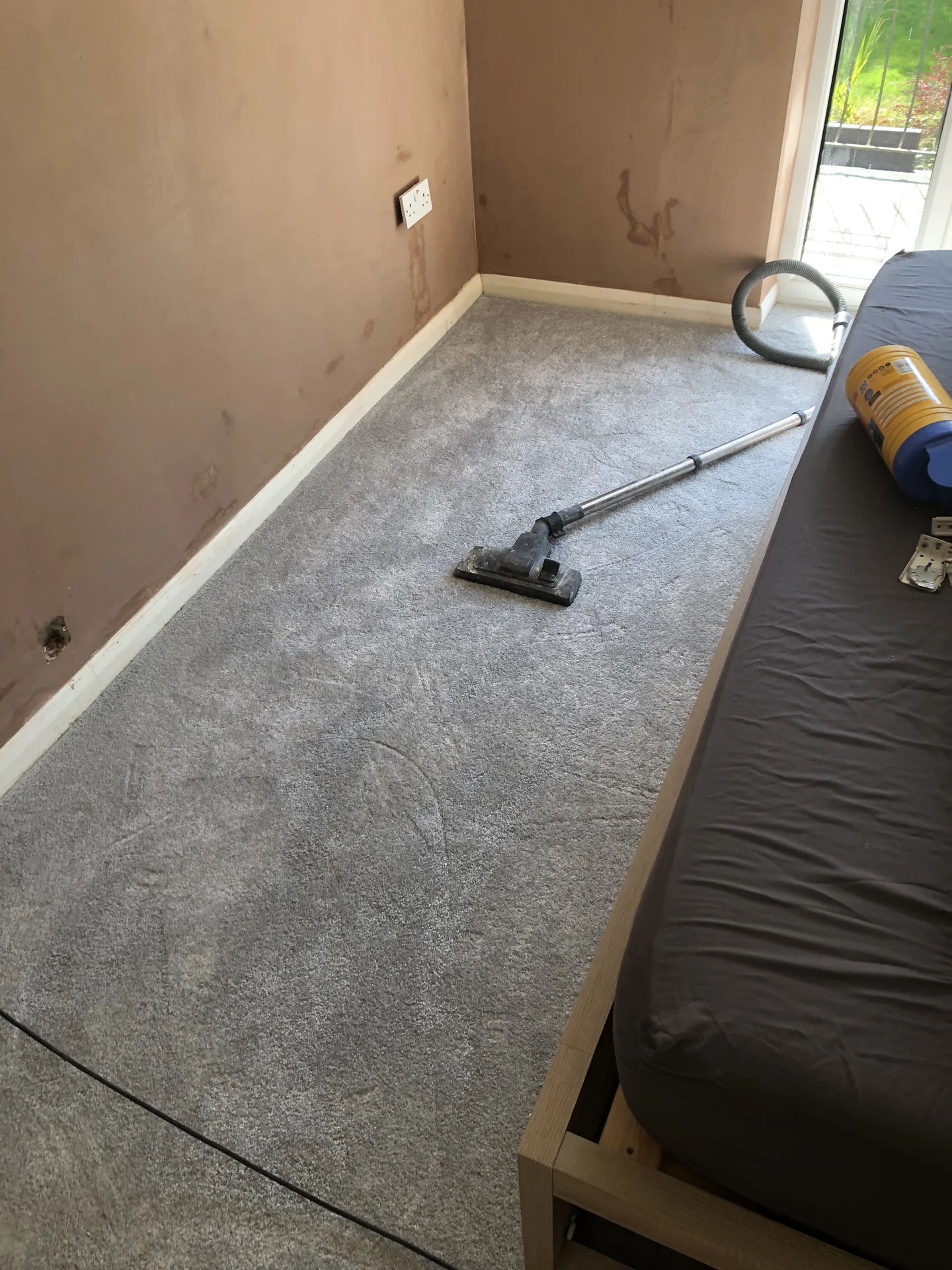
Freshly applied plaster looks dark and damp, and gradually lightens to an even, matt tone as it dries out. This colour change is a useful visual guide, though it's not an exact measurement, since plaster can look dry on the surface while still holding moisture underneath.
Mist coats
Once plaster has dried, a mist coat, a diluted first coat of paint, is usually applied before the full coats go on. This helps the paint bond evenly to the plaster rather than being absorbed unevenly in patches.
Why it's worth not rushing
Painting plaster before it's properly dry can trap moisture under the paint film, leading to problems later on. It's generally worth allowing the plaster the time it needs, using the general ranges plasterers commonly quote as a guide, rather than working to a fixed deadline.
Why rushing the drying stage causes problems
Painting over plaster before it's properly dry traps moisture beneath the paint film, which can lead to the paint bubbling, peeling, or looking patchy once it does eventually dry out underneath. It can also leave a faint tide mark or uneven sheen where some areas dried before others. Giving plaster the time it needs before decorating avoids having to redo paintwork later.
Checking how dry plaster is
Fresh plaster is noticeably darker and feels cool and slightly damp to the touch compared with dry plaster, which lightens to a more even, matt, pale tone across the whole surface. Patchy colour, with darker areas remaining in corners or near the edges of a wall, usually means those spots are still drying and need more time before being painted.
Planning seasonal differences
Plaster dries more slowly in winter, when homes are often less ventilated and heating may be used in short bursts rather than constantly, compared with a warm, dry spell in spring or summer when natural airflow and ambient warmth both help. A heated but poorly ventilated room can also trap moisture in the air even though it feels warm, so a balance of gentle warmth and some ventilation tends to work best.
Heating, dehumidifiers and ventilation
A balanced room environment matters more than trying to force the surface dry. Allow normal ventilation and gentle background warmth where appropriate. Direct heat can dry the surface unevenly. If using additional drying equipment, ask the plasterer whether it is appropriate for the material and stage of drying rather than assuming it should run immediately.
Thickness of the new plaster
A thin skim coat dries faster than a thicker two- or three-coat replaster, simply because there's less moisture held within a thinner layer of material. This is one reason full room replastering generally needs a longer drying period before decorating than a quick skim refresh over an existing sound wall.
Check the room as well as the colour
The visible colour change is helpful, but a room can have colder corners or deeper repaired areas that dry differently from the broad wall. Compare the whole surface rather than judging only the section nearest a sunny window. If you are unsure, ask the plasterer before applying the first coat of paint.
A decorating deadline should allow for the actual conditions. Keeping furniture away from the wall can assist normal airflow, while closing the room completely may allow humidity to build. Follow the paint manufacturer’s guidance for fresh plaster and avoid a heavy first coat that is unsuitable for a porous surface.
More about this topic
Why does new plaster look dark at first?
Freshly applied plaster holds moisture, which gives it a darker, damp appearance. As it dries out, it lightens to an even, matt tone.
Does a thicker replaster take longer to dry than a skim?
Yes, a full replaster generally takes longer to dry than a thin skim coat, simply because there's more material for the moisture to leave.
Does heating help plaster dry faster?
Gentle background heating combined with some ventilation generally helps moisture leave the plaster. Very high heat applied directly isn't usually recommended, as it can dry the surface too quickly.
What's a mist coat and when is it applied?
A mist coat is a diluted first coat of paint applied to plaster once it has dried, helping the paint bond evenly before the full coats go on.
What happens if I paint before the plaster is fully dry?
Painting too soon can trap moisture under the paint film, which may cause problems later such as staining or the paint failing to bond properly.