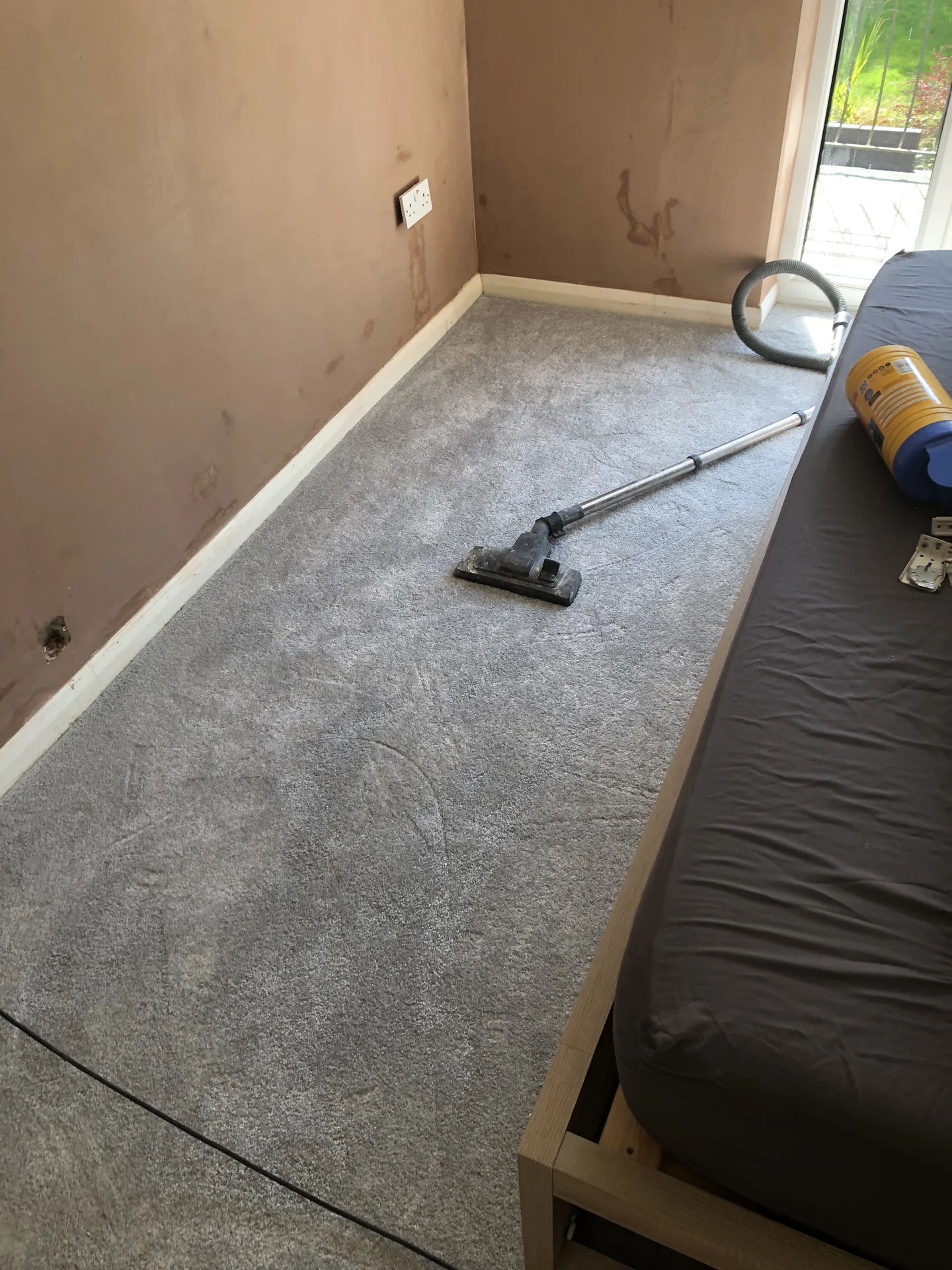
Inspect the reveal and the window
Check whether the plaster is cracked, hollow, loose or simply marked. Look at the frame, seals, sill and external pointing for gaps or signs of water entry. A stain that worsens after rain, dampness around the frame or damaged sealant can indicate a window or external defect. Repair that first; new plaster is not a substitute for fixing a leak.
Condensation is another common cause, particularly on cold reveals in winter. Water droplets on glass and nearby surfaces, mould in corners and a firm plaster surface suggest a different issue from a leak. Improve ventilation and consider cold bridging before redecorating. If the wall is persistently wet or the source is unclear, seek a suitable building professional to investigate.
Older windows may have deep or irregular reveals, while replacement frames can leave gaps that were hidden by previous trim. Do not fill a movement joint rigidly without checking the frame detail. The finish should allow the window to open and close freely, and any ventilation openings must remain clear. These small checks help avoid damage to the new edge and preserve the operation of the window.
Prepare the area properly
Take down curtains or blinds where practical and protect the window, sill and floor. Remove loose material to a sound edge, then clean dust from the background. Do not cut into a frame, trim or cable while removing plaster. If the frame is moving, damaged or poorly fixed, have it dealt with before finishing the reveal.
The background needs to be stable and suitable for the chosen materials. Bare masonry may need a backing layer; sound existing plaster may need only local making good. Differences in suction between brick, old plaster and the frame edge can make a patch dry unevenly, so preparation and any necessary bonding steps matter. A clean, firm background helps the new plaster adhere and reduces the chance of a weak edge.
Achieving straight corners
A reveal has at least two visible corners where it meets the wall and window. Straight, consistent lines make a noticeable difference. A plasterer may use suitable corner beads or another method according to the background and detail. Beads need to be fixed securely and positioned accurately; a poorly aligned bead simply creates a crooked finished edge.
Check the reveal depth on both sides and compare the top and bottom. Older windows are not always centred or square in the opening. The aim may be a visually balanced finish rather than forcing every edge to follow an irregular frame. Discuss any significant variation before work begins, particularly if replacement windows, shutters or deep sills are planned.
Plastering around frames and sills
Protect the frame from splashes and avoid burying drainage slots, hinges, handles or removable trims. Plaster should finish neatly against the frame without interfering with its operation. Some frame types need a particular edge detail or flexible seal at the junction; follow the window manufacturer's recommendations where available.
Sills can be vulnerable to knocks and water. Make sure the plaster edge does not create a ledge that directs water towards the frame. If the existing sill is cracked, loose or badly sloped, repairing or replacing it may be needed before the reveal is finished. Keep the new plaster clean and avoid dragging tools across the frame or finished surface.
Drying, decorating and preventing recurrence
Fresh plaster dries at different rates depending on thickness, ventilation, temperature and the background. Let it dry evenly and avoid strong direct heat. It should be completely dry before painting. Use a suitable first coat for new plaster, then decorate as directed by the paint manufacturer. Rushing the process can trap moisture or leave an uneven finish.
If the reveal gets condensation, plastering alone will not prevent it returning. Use extraction in kitchens and bathrooms, ventilate the room and keep air moving around the window. Do not block trickle vents. Where the reveal is unusually cold, ask an appropriate professional to assess insulation or cold bridging; any added lining must be compatible with the frame and the wall construction.
When to call a plasterer
A plasterer can help when the reveal has loose or cracked plaster, a poor previous repair, uneven corners or a damaged finish that needs rebuilding. Send photographs showing the whole window and close-ups of the worst edges. Explain whether water appears after rain, whether the window is being replaced and whether the frame or sill moves.
If you find a leak, loose window or mould caused by unresolved condensation, address that issue before the finishing work. Based in Headcorn, he works up to 25 miles away. Call 07852 191811 Monday to Saturday, 7:30am to 6:30pm, to discuss plastering once the reveal is ready for repair.
More about this topic
Why does plaster crack beside a window?
Movement, a weak background, a poor junction or an unresolved leak can cause cracking. The cause and condition of the surrounding plaster should be checked before patching.
Can I plaster over a damp window reveal?
Not until the source is understood. Check for leaking seals, sill defects or rain entry, and address condensation or cold bridging where relevant.
Do window reveals need corner beads?
A suitable bead can help form a straight, durable edge, but the right detail depends on the substrate and frame. Correct alignment and fixing are essential.
How soon can I paint a new reveal?
Wait until the plaster is fully dry. Drying time varies with thickness, ventilation and conditions, so use the surface appearance and appropriate product guidance rather than a fixed date.