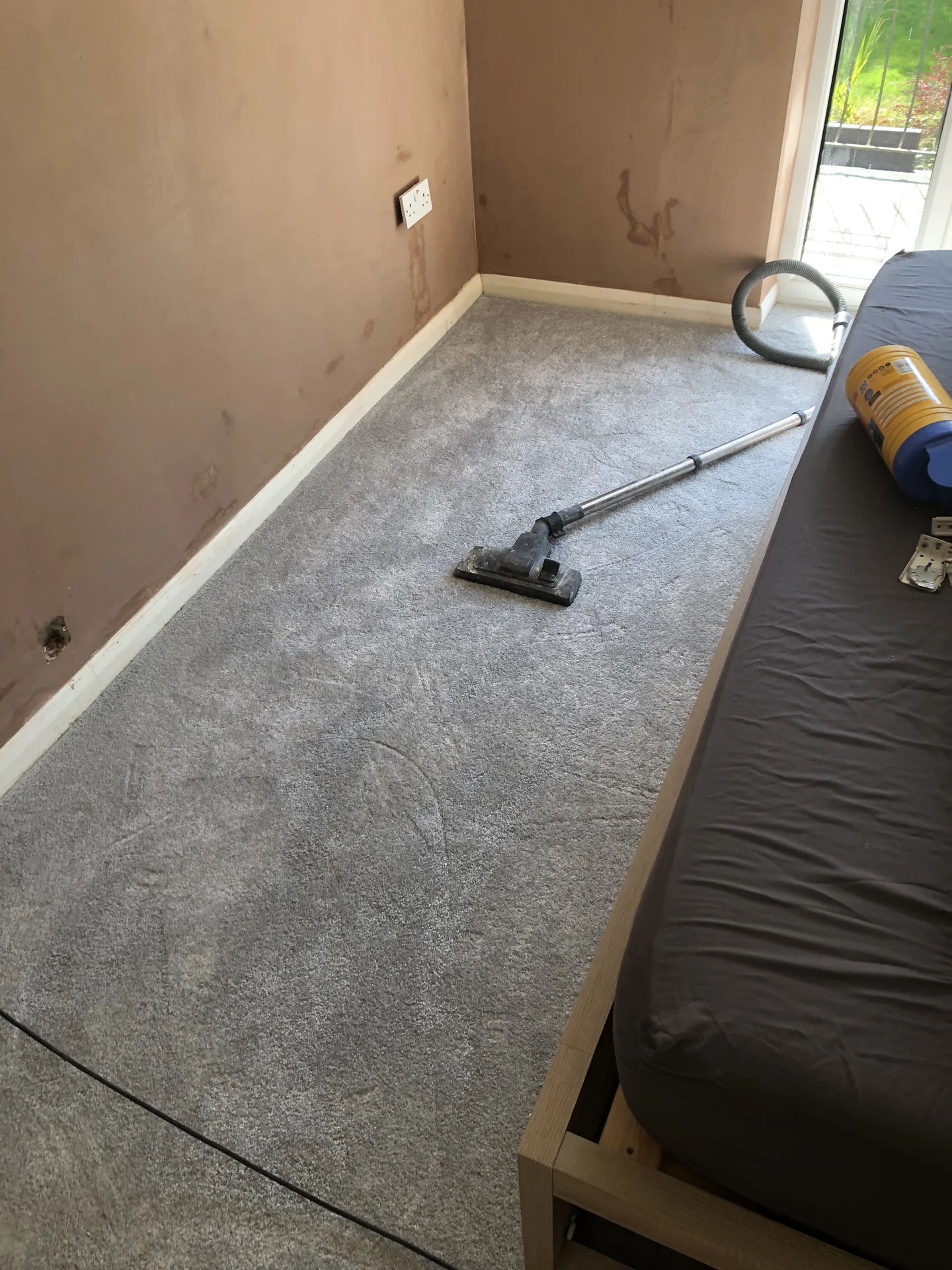
What undercoat plaster is for
An undercoat is applied where a wall needs building out, levelling or covering before its final smooth finish. It is generally thicker than a skim coat and can accommodate modest changes in the background. Its purpose is not simply to hide marks: it creates a stable, even surface that the next coat can bond to and finish consistently.
The term covers different plaster types intended for different backgrounds and conditions. Some suit porous masonry, while others are designed for smoother or less absorbent surfaces. A plasterer considers what the wall is made from, how quickly it absorbs water, whether it is sound and what finish is planned. Choosing by name alone is not enough.
Undercoat and finishing plaster are different
Undercoat plaster gives the wall its shape and a reasonably even plane. A finishing coat, often called a skim, is applied much thinner and worked to a smooth surface ready for decorating. The two stages have different jobs, so a finish coat is not a substitute for a deep or uneven area that needs building up.
Not every wall needs both stages. A suitable plasterboard surface may only need a skim, while rough masonry commonly needs an undercoat before the finish. Existing plaster can sometimes be skimmed if it is firmly attached and sufficiently flat. If the base is loose, damp or badly uneven, covering it without addressing the problem is likely to lead to failure.
At board edges and service chases, the base must meet the surrounding surface cleanly. A change in depth can otherwise create a visible ridge after decoration. Planning these transitions before mixing plaster avoids relying on a thick finish coat to disguise a basic level difference.
Matching the plaster to the wall
Masonry varies in density and suction. A very absorbent wall can draw moisture out of fresh plaster too quickly, affecting how it sets and is worked. A dense or smooth surface may offer too little grip unless prepared appropriately. The plasterer checks the background and uses the preparation suited to it, rather than assuming every brick or block behaves alike.
Older buildings need particular care. Their walls may have mixed materials, repairs from different periods or a softer surface than modern construction. A hard, unsuitable layer can behave differently from the wall beneath it. Where a building has historic or moisture-related issues, establish the cause and choose a compatible approach before covering it.
For a homeowner, the useful question is not merely which plaster is being used, but how the existing wall will be made sound and level. Ask what preparation is included and whether the finish will be skimmed afterwards. This makes the proposed sequence clear before furniture is moved or decorating is booked.
Preparing and applying an undercoat
Loose dust, flaking material and weak plaster need to be dealt with before work begins. The surface may need a suitable bonding preparation or controlled dampening, depending on its condition and absorbency. Cracks and junctions also need attention; simply filling a crack with a broad coat does not prevent movement from returning.
The coat is applied to the required thickness and levelled, with care around corners, openings and adjoining surfaces. Where a wall needs considerable correction, building it out in one heavy application may not be appropriate. The product guidance and the background determine suitable thickness and sequence. Good workmanship means checking the plane across the wall, not just making individual hollows look filled.
Drying, ventilation and decorating
Undercoat plaster needs to set and dry in suitable conditions. Drying depends on coat thickness, room temperature, ventilation, background and the amount of moisture in the building. A surface that looks pale at the edges may still be damp in deeper or cooler areas. Strong direct heat can dry the outside unevenly, while a cold, closed room can slow the process.
Do not paint or seal the wall simply because it feels dry to the touch. The finishing coat may need to be applied at the right stage for the system, and new plaster must be thoroughly dry before decorating. When painting fresh skim, a correctly prepared first coat helps avoid sealing the surface too heavily. Follow the plasterer’s advice for the actual materials and conditions.
When to call a plasterer
Get advice when the wall is crumbling, hollow-sounding, persistently damp, very uneven or made from a mixture of backgrounds. These signs can affect what preparation is needed and whether plastering should wait. If there is an active leak or unexplained damp, have that cause dealt with first. Fresh plaster cannot make an unstable or wet wall sound.
A plasterer can assess whether the job calls for undercoat and skim, a skim alone, or removal of failed material. Stephen O’Brien is Level 2 qualified in solid plastering, British Gypsum certified and has 25 years’ experience. He is based in Headcorn and travels up to 25 miles. Share clear photographs and explain what the wall is made from, if known, to help with an initial discussion.
More about this topic
Does every wall need undercoat plaster?
No. Some sound, flat backgrounds only need a finishing skim. Undercoat is used when the wall needs levelling or a suitable base before finishing.
Can undercoat plaster be left as the final surface?
It is generally intended as a base rather than a smooth decorative finish. The planned finish depends on the product and the appearance required.
How long should undercoat plaster dry?
There is no single time. Thickness, ventilation, temperature, background and moisture levels all affect drying, so check the wall and follow the plasterer’s advice.
Can I use undercoat to cover damp?
No. Find and fix the source of damp first, then allow the wall to dry and assess any damaged plaster before replastering.