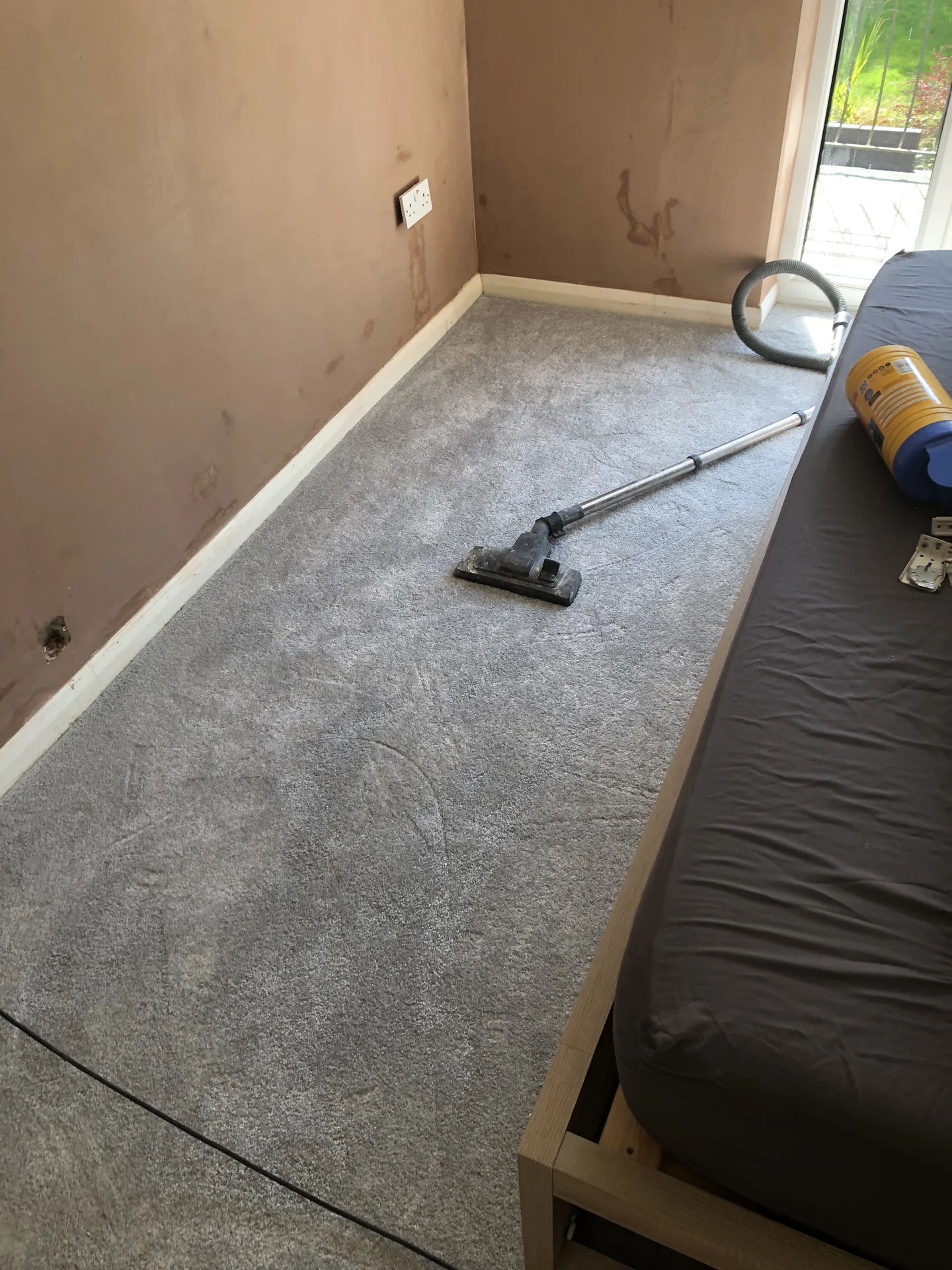
What you might notice at home
A wall may look fairly complete but have a hollow-sounding area, a bulge or cracks around a patch that seems separate from the surrounding surface. In other places the plaster may crumble at an exposed edge after wallpaper or a fitting has been removed. These are reasons to have the background assessed rather than choosing a finish from appearance alone.
Note where the change occurs: beside a former repair, around a window, low on an external wall or across several adjoining surfaces. Record whether it has changed and whether any nearby leak has been repaired. Do not pull at loose material to establish the size yourself. What is visible at the surface may not be the final boundary of the repair.
Hollow plaster is a condition, not a complete diagnosis
The word blown describes loss of attachment; it does not establish why that happened. Moisture, the condition of older plaster and the background all need consideration. An assessment should distinguish isolated failure from a wider problem before deciding which material can remain. A photograph can show a bulge or crack but cannot confirm the attachment of the surrounding plaster.
If there are tide marks, white deposits, peeling paint or soft damp areas, deal with the moisture question first. A plumber, relevant building trade or damp specialist may need to establish the source. The damp and salt damaged walls page covers that sequence in more detail. Replastering follows the cause being addressed rather than acting as a treatment for an unidentified moisture problem.
Why skimming over it is not the answer
A skim is a thin finishing layer over a suitable background. It can improve the surface of plaster that is firmly attached, but it does not reconnect a detached layer to masonry behind it. Covering the visible cracks without considering the loose material leaves the original weakness underneath. A smooth appearance immediately after work is not proof that the background was sound.
The distinction matters when requesting a quote. Asking only for a skim may describe the appearance you want but not the work required to achieve a suitable base. Explain the hollow areas and any bulging, even if the decoration still looks reasonable. The proposed preparation should address those observations before the finishing coat is discussed.
Local repair or a larger area of replastering
Where failure is confined to one area, removing unsound material and rebuilding that area may be appropriate. Sound plaster elsewhere does not automatically need stripping. However, the edge of a repair must be stable, so the work can extend beyond the most obvious crack or hollow patch. Agree how the extent will be assessed rather than assuming that the visible mark defines it.
If detached areas are widespread, a series of small patches may not be the most suitable scope. Wider replastering can then be discussed, with attention to the existing wall construction and required build-up. The patch repairs page describes making good a defined area; this page concerns deciding how much of a detached plaster background can reasonably be retained.
What should happen before the new finish
The background needs to be suitable for the proposed plaster, and unresolved leaks or movement should not simply be covered. Tell Stephen about earlier repairs and any investigation already completed. If another trade still needs access to pipes or wiring, agree that work before closing the wall. Otherwise a newly repaired area may have to be opened again.
Furniture and belongings need moving away from the affected wall before dusty preparation. Discuss access around skirting, radiators and other fittings, including who will remove or refit anything necessary. The exact repair build-up depends on what remains once unsuitable material is removed. It should not be selected solely because a particular product or thin finish sounds convenient.
Drying, decorating and your enquiry
Replacement plaster needs to dry before decoration. Different depths and backgrounds can affect progress, so there is no useful promise of a fixed number of days for every blown-plaster repair. Avoid forcing the drying with intense heat. Ask about preparation for the intended paint or wall covering once the repaired area is ready.
For a free quote, contact Stephen with your postcode, a photograph of the whole wall and closer views of the affected area. Include any moisture history, when the problem appeared and whether other repairs are complete. Use the main plastering page for the wider service and the skimming page where the background is sound. The repair decision should follow the wall’s condition, not a promise that one approach suits every hollow patch.
Questions homeowners ask
Does a hollow sound mean the entire room needs stripping?
No. It is a reason to assess attachment and the extent of failure, not an instruction to remove every wall finish. The repair boundary depends on the surrounding plaster.
Can plaster be blown without a visible hole?
Yes. Loss of attachment can exist beneath an apparently complete face. Bulging, cracking and hollow areas can prompt an assessment even where no plaster is missing.
Is blown plaster always caused by damp?
No single cause should be assumed from the description. Damp marks or salts need investigation, but the background and condition of the existing plaster also matter.
Can a skim hold a detached layer against the wall?
No. A thin surface finish does not restore attachment behind the old plaster. Unsound material needs consideration before finishing.
Why can the repair grow after the wall is assessed?
The obvious bulge may not mark the end of the loose plaster. Preparation may need to continue to stable edges so the replacement has a suitable boundary.