Start with a room map, not a job label
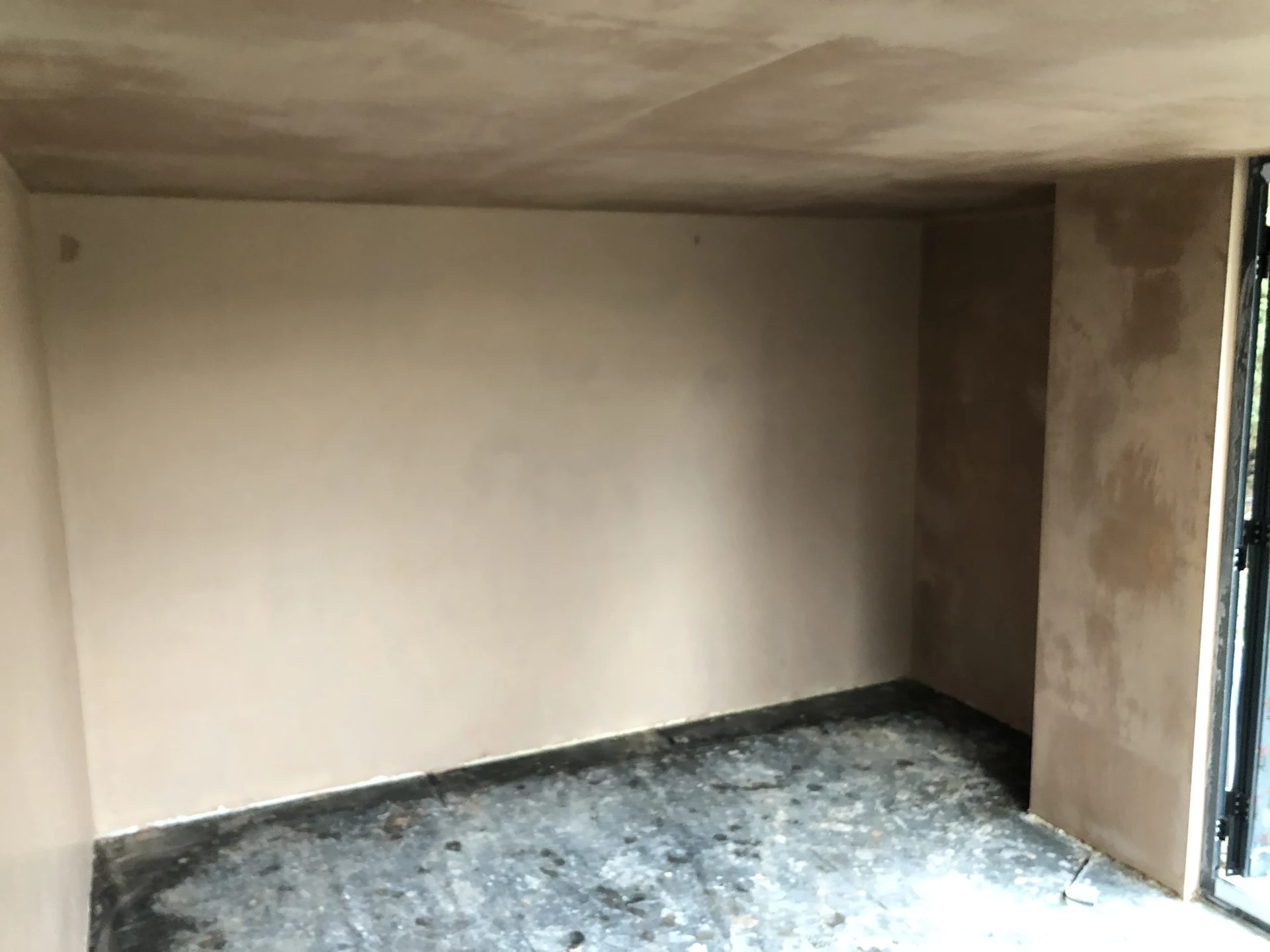
Walk through the room and describe each surface separately. Note cracks, damaged patches, old repairs and areas that simply look rough. Include walls behind furniture and the ceiling, even if your original concern is only one wall. You are gathering information for an assessment, not deciding which plaster must come off yourself.
Take an overall photograph and closer views of the problem areas. Identify the doorway, window and any fixed cupboards so the photographs make sense together. A request for “the room plastering” can mean very different things. A simple surface list gives the conversation a clearer starting point and helps you explain which areas you want included and which you had expected to leave alone.
Separate condition from appearance
A wall can look tired without needing its plaster removed. Skimming provides a new finishing coat over a suitable, sound background; replastering addresses material that needs rebuilding. Those are different responses to different conditions, rather than interchangeable names for making a room look fresh. Ask which approach is being proposed for each surface.
Keep cosmetic wishes on a separate part of your list. Perhaps one wall is damaged while the others are merely marked from old shelves or previous decoration. You may choose a broader finish for appearance, but that should be an informed choice. A consistent decorated room does not, by itself, establish that every underlying surface has failed or that all existing plaster should be removed.
Decide whether one wall is a complete stopping point
A single wall may be a reasonable scope where the surrounding plaster remains sound and the damage is confined to that face. Discuss the full wall rather than only the most obvious mark. Previous patches, adjoining corners and the intended decoration can all influence whether a local repair or a wider skim is worth considering.
Ask where the proposed work will finish. Mention door openings, window reveals and any short returns that you think belong with the wall. Do not assume they are included because they look connected in a photograph. Agreeing the boundaries now makes it easier to compare the proposed work with your expectations and to plan which adjoining surfaces will need decorating afterwards.
Recognise when several surfaces belong in the discussion
A room-wide assessment becomes particularly useful after widespread electrical or plumbing alterations, damage affecting several walls, or building work that has changed the layout. These situations can leave a mixture of old plaster, new backgrounds and previous repairs. The question is whether separate small jobs still suit the condition of the room as a whole.
Even then, avoid treating every wall identically without assessment. One may need rebuilding while another can retain its background. Ask for that distinction in the scope. If damp, repeated cracking or suspected movement is involved, establish the cause before choosing a decorative solution. Extending the plastering area will not solve an unresolved leak or explain why a crack keeps returning after earlier work.
Give the ceiling its own decision
Do not assume a whole-room quote includes the ceiling. It may be sound and need no plastering, or it may have a separate problem that deserves attention while the room is cleared. Explain whether you want it assessed, repaired or simply left outside the work. Mention coving and decorative features that you intend to retain.
An older textured ceiling adds a separate safety question. Do not scrape or sand an uncertain coating to see what is underneath. Some older textured coatings may contain asbestos and require competent assessment before disturbance. A decision to improve the walls does not make ceiling investigation necessary, but neither should a last-minute ceiling addition bypass the checks that would have been needed for a separate job.
Bring upcoming alterations into the scope
List work that could disturb the surfaces again: cable changes, pipe alterations, removed fittings or changes to cupboards. Where possible, complete the relevant work before the plaster is finished. A wall that seems ready today may not be ready if another trade still needs to open it. Ask the people involved to confirm their sequence rather than guessing.
Include skirting and architraves in this discussion. Existing skirting can often remain, while planned replacement should be discussed before plastering starts. Decide what is staying and what another installer will remove. The aim is not to expand a small plastering job into a complete renovation, but to avoid finishing an edge that your own plans will disturb shortly afterwards.
Compare disruption as well as the finished area
A single-wall job and a full-room replaster do not make the same demands on the household. Removing old plaster creates dust and debris, and room access needs planning. Discuss furniture, floor protection and the route through the house. Tell the plasterer about anything that cannot easily move rather than assuming it can simply be worked around.
If the room must remain partly usable, explain what that means in practice. Identify any necessary access and where children or pets can stay away from the work. For several rooms, consider an order that leaves usable space elsewhere. A smaller immediate scope can be convenient, but compare it with your remaining plans before deciding whether repeated visits and repeated room clearing suit your household.
Plan decoration around the chosen scope
Plastering boundaries and painting boundaries are not always the same. A local repair may leave you considering decoration across a wider wall so the finished appearance feels consistent. Discuss this before deciding that a small area of plastering means only a small amount of decorating. The condition and texture of the retained wall still matter.
Allow new plaster to dry before painting, whether the job covers a patch or every surface. Different depths and backgrounds can dry at different rates, so avoid booking decoration against a fixed assumption. Gentle warmth and ventilation are preferable to forcing the drying process. Ask for finishing advice and follow the chosen paint manufacturer's instructions, including the appropriate first coat for the new plaster.
When to call a professional
Arrange an assessment when you cannot distinguish a cosmetic surface problem from failing plaster, or when several repairs make the right stopping point unclear. Photographs help describe the room, but do not establish everything about the background. Explain recurring problems and the history of earlier work, even if you would prefer a simple, limited repair.
Ongoing damp, suspected movement and uncertain textured coatings need the appropriate investigation before decorative work proceeds. A plastering quote is not a substitute for resolving those issues. Ask which questions need answering first and who should answer them. That helps keep the eventual plastering scope focused on suitable surfaces rather than covering a problem that may disturb the room again after it has been decorated.
Agree a surface-by-surface brief
Before booking, check that the proposed work names the walls, ceiling areas and returns included. Clarify whether each needs repair, skimming or more substantial rebuilding, and record exclusions alongside inclusions. Ask what preparation you should arrange and what will happen if the condition revealed during preparation changes the sensible scope. This is particularly useful where cupboards or coverings still hide parts of the wall.
Keep that brief with your photographs and decorating plans so everyone is discussing the same room. To ask Stephen about one wall or a wider project, use the contact form with your postcode, overall photographs and a short surface list. Mention planned alterations, retained fittings and whether the ceiling needs assessment, so the enquiry starts with your actual decisions rather than a vague room-wide label.
More about this topic
Does one damaged wall mean the rest must be stripped?
No. Sound plaster elsewhere should not be assumed to need removal. Ask for an assessment of each surface and distinguish necessary rebuilding from optional work intended to improve the overall appearance.
Can the quote include the walls but exclude the ceiling?
Yes, provided the scope makes that clear. Mention any ceiling concerns separately and check whether coving, reveals or adjoining returns are included rather than treating “whole room” as a precise specification.
What if I only notice another damaged area after moving furniture?
Tell the plasterer before work starts where possible and provide another photograph. Hidden areas can change the discussion, so avoid assuming the original scope automatically covers surfaces that were not visible or described.
Should I ask for a skim on every wall for consistency?
Discuss the condition first. A skim needs a suitable background and is not a remedy for failing plaster. A wider finishing coat may be worth considering for appearance, but it should remain separate from necessary repairs.
How should I compare a one-wall quote with a room quote?
Compare named surfaces, preparation, repair methods, exclusions and arrangements for protection and access. Also consider the decorating and remaining alterations associated with each option, rather than comparing two totals for differently described jobs.