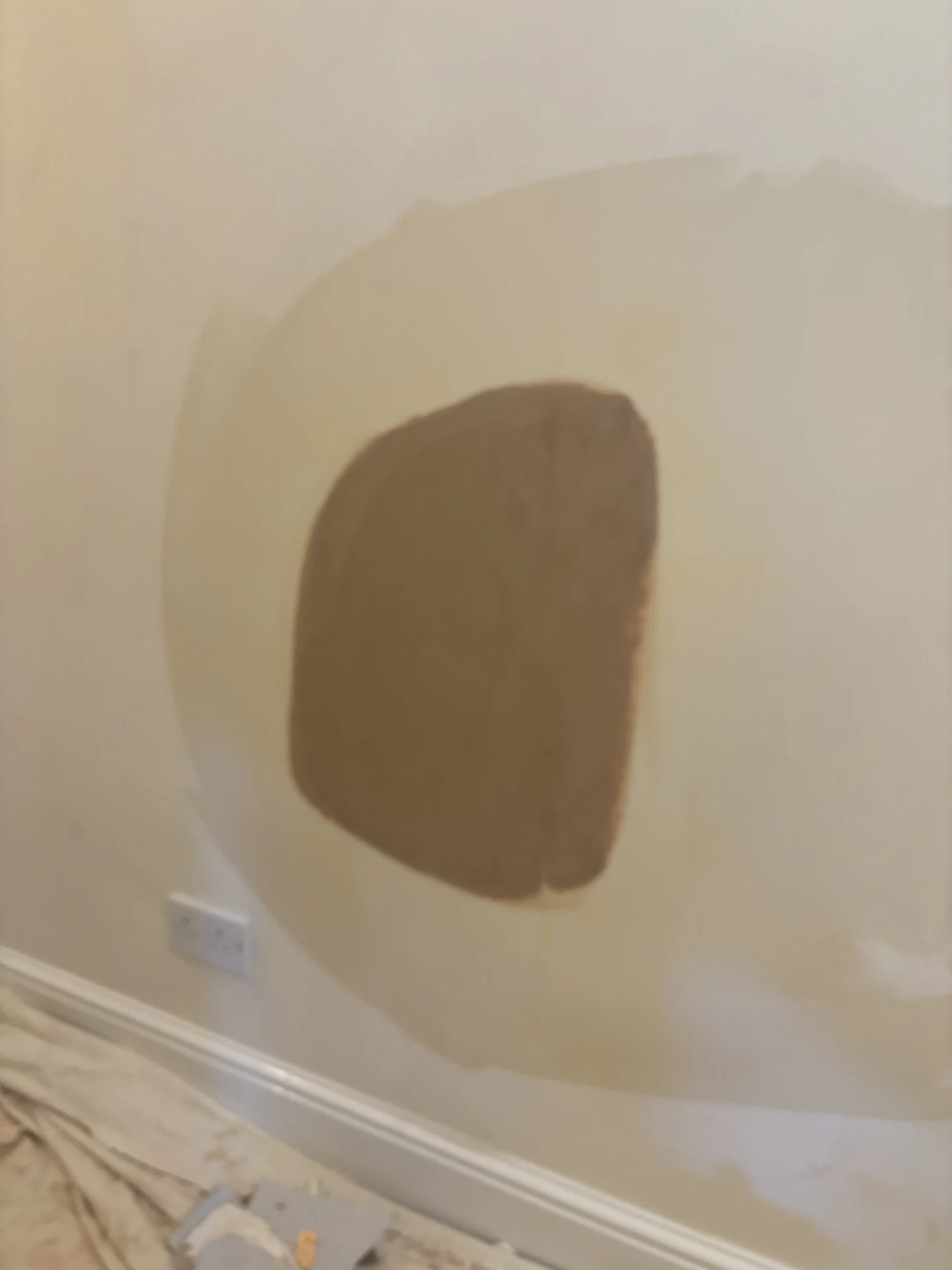
List every disturbed surface before booking repairs
Walk through the affected rooms and record channels, openings and damaged edges left by the electrical work. Include ceilings and areas behind furniture, not just the largest visible chase. Explain whether the work was a limited alteration or part of a wider rewire so the plasterer understands why several separate areas may belong to one job.
Take wide photographs that locate each repair, followed by close views showing the surrounding surface. A narrow photograph of a hole does not explain whether it lies beside a doorway, under a fitting or among several older patches. Group the images by room and wall. This helps you discuss the actual repair scope without trying to choose a filler or plaster product before the background has been assessed.
Ask the electrician what is ready to close
A first visit or the presence of cables does not necessarily mean an area is ready for plastering. Ask the electrician to confirm what work behind the surface is complete and whether further openings or alterations are expected. Pass that information to the plasterer rather than relying on your impression that the electrical stage looks finished.
Identify anything that must remain accessible. The electrician should clarify the requirements around fittings and the planned return visit, while the plasterer needs to know the intended repair boundaries. If an outstanding decision could change the cable route or fitting position, resolve it before that part of the wall is made good. Closing too early can simply mean cutting open a newly repaired surface and repeating work unnecessarily.
Keep electrical handling with the electrician
Agree who will deal with socket fronts, switches and other electrical fittings before plaster repairs begin. Electrical work, including any required safe isolation, belongs with the electrician. Do not remove or adjust fittings yourself merely to make a photograph clearer or to create more working room for a patch repair beside the opening.
Plaster should not be relied on to hold electrical fittings in place. If something needs attention, ask the electrician to resolve it rather than requesting extra plaster around it as a substitute. Make the division of responsibilities explicit when arranging the two visits. The aim is a coordinated handover: electrical work ready for the finishing stage, and a repaired surface that does not cover parts that need access.
Assess the edges as well as the opening
The visible hole is not necessarily the full repair area. Loose surrounding material and an unsuitable background need addressing so the repair does not simply bridge over failing plaster. Tell the plasterer about nearby cracks or previous repairs, but do not chip away uncertain edges yourself to produce what you think is the right starting shape.
The required work also depends on the wall construction and the depth of the damage. A damaged plasterboard lining may need a board repair, while missing plaster on another background needs an appropriate build-up. This is why a request to “fill the chase” may not describe the whole task. Ask what the assessment shows and whether the final repair boundary differs from the opening left by the electrician.
Choose between local making good and a wider finish
A limited repair can suit an isolated opening where the surrounding plaster is sound. Several channels and previous patches across the same wall may justify discussing a wider skim instead. Neither choice follows automatically from the fact that electrical work took place. The condition, flatness and existing texture of the retained wall still influence the result.
Ask the plasterer to explain the proposed stopping point and any alternatives. A smooth junction matters because side lighting can reveal a raised repair edge after decoration. However, a whole-wall skim and local making good are different scopes, not two names for the same outcome. Decide what you want assessed before comparing quotes, and avoid assuming every wall in a rewired room must be stripped regardless of condition.
Coordinate repairs with the rest of the renovation
Check whether plumbing, removed shelves, new cupboards or other alterations will disturb the same surfaces. Where possible, complete relevant opening-up work before the wall is finished. A carefully repaired cable channel can still be damaged again if another planned job needs access immediately beside it. Tell the plasterer about that work even if a different trade is organising it.
Include skirting and architrave plans where channels reach their edges. If trims are staying, discuss finishing against them; if replacement is already planned, coordinate removal with the responsible installer. Keep the enquiry focused on the actual sequence rather than expanding it into unnecessary work. The practical question is what must happen before making good, and which later tasks can proceed without reopening or damaging the repaired surface.
Prepare access for several small repair areas
Several small patches may be spread around an occupied room or across the house. Identify furniture, fixed cupboards and fittings that restrict access to each one. A small opening behind a large item is not as accessible as an equally sized opening on a clear wall. Explain those restrictions before the job is arranged, using wider photographs where helpful.
Ask what you should move and how floors and nearby belongings will be protected. Keep children and pets away from tools and wet plaster while the work is underway. If some rooms need to remain usable, discuss a workable order rather than assuming every patch can be tackled independently. The household plan should reflect the locations of the repairs as well as the amount of surface missing.
Plan the return visit and decorating handover
Ask how the electrical return visit, repair drying and decoration should fit together. There is no benefit in assuming all fittings can be dealt with at one arbitrary point without speaking to the electrician. Keep access requirements clear and avoid arranging later work in a way that means disturbing new plaster before it is ready.
Repair plaster can dry unevenly where depths vary. A pale surface does not prove every part is ready for paint, so follow advice for the repair and intended finish. Gentle warmth and ventilation are preferable to intense heat. Consider the decorating area separately from the plaster patch: you may want to refresh a wider wall, and that choice should be allowed for rather than discovered after the making-good work is complete.
When to call a professional
Call the electrician about unfinished electrical work, fitting security, isolation or any uncertainty about what can be closed. Ask the plasterer to assess damaged backgrounds, loose edges and whether local repairs remain sensible across a heavily disturbed wall. These are complementary responsibilities, not a reason to expect either trade to take over work outside its role.
If the opening-up reveals damp, recurring cracks or suspect materials, pause and seek the appropriate advice before making good. An unknown older textured coating should not be sanded, scraped or drilled as part of tidying the area. A repair should follow an understanding of the background and unresolved problems. Covering the damage quickly does not establish that the underlying issue has been addressed or that the area is suitable for plastering.
Send a repair brief that explains the handover
Prepare a room-by-room list with photographs, the cause of the openings and confirmation of remaining electrical work. Identify which fittings the electrician will handle and any areas that must remain accessible. State whether you want isolated making good assessed or would also like advice about a wider finish. Mention other alterations and anything that limits access to a damaged section.
To discuss making good with Stephen, use the contact form with your postcode and the repair photographs. Explain what the electrician has completed, when further electrical visits are expected and which walls or ceilings are affected. Ask about the repair scope and drying stage before fixing decoration dates, so the surface work fits the electrical handover rather than becoming a rushed task between two already committed appointments.
More about this topic
Can I arrange repairs before the electrician has finished every visit?
Discuss the sequence with the electrician. Some later work may be planned, but the affected areas must be confirmed ready to close. Do not infer readiness from cables being present or from the electrician having already attended.
Who should remove a socket front beside the damaged plaster?
The electrician should handle electrical fittings and any required isolation. Agree this before the plastering visit. Do not loosen a fitting yourself to improve access, and do not expect plaster to secure a fitting that needs electrical attention.
Why might the repair be wider than the cable channel?
The surrounding edges and background must be suitable for the repair. Loose plaster may extend beyond the visible opening, and a damaged lining may need additional making good. The assessment should explain the proposed repair boundary.
Does a rewire always mean replastering every wall?
No. The extent of disturbance and the condition of the retained plaster matter. Ask for local repairs and wider finishing to be distinguished, particularly where some walls remain sound and others contain many channels or older patches.
Can I paint only the repaired strip?
Consider decoration separately from the repair boundary. Existing texture and finish can affect the appearance, and you may prefer to decorate a wider wall. Let the new material dry first and follow the appropriate paint preparation advice.