Understand what the paper will conceal
A wallcovering changes how moisture leaves the wall, particularly where the facing is relatively impermeable. If plaster still contains excess moisture, covering it can delay drying and contribute to staining, lifting or other failures. Open windows alone do not prove the wall has reached the required condition. The thickness of the plasterwork, temperature, background construction and moisture from other renovation tasks all influence when decorating can safely begin.
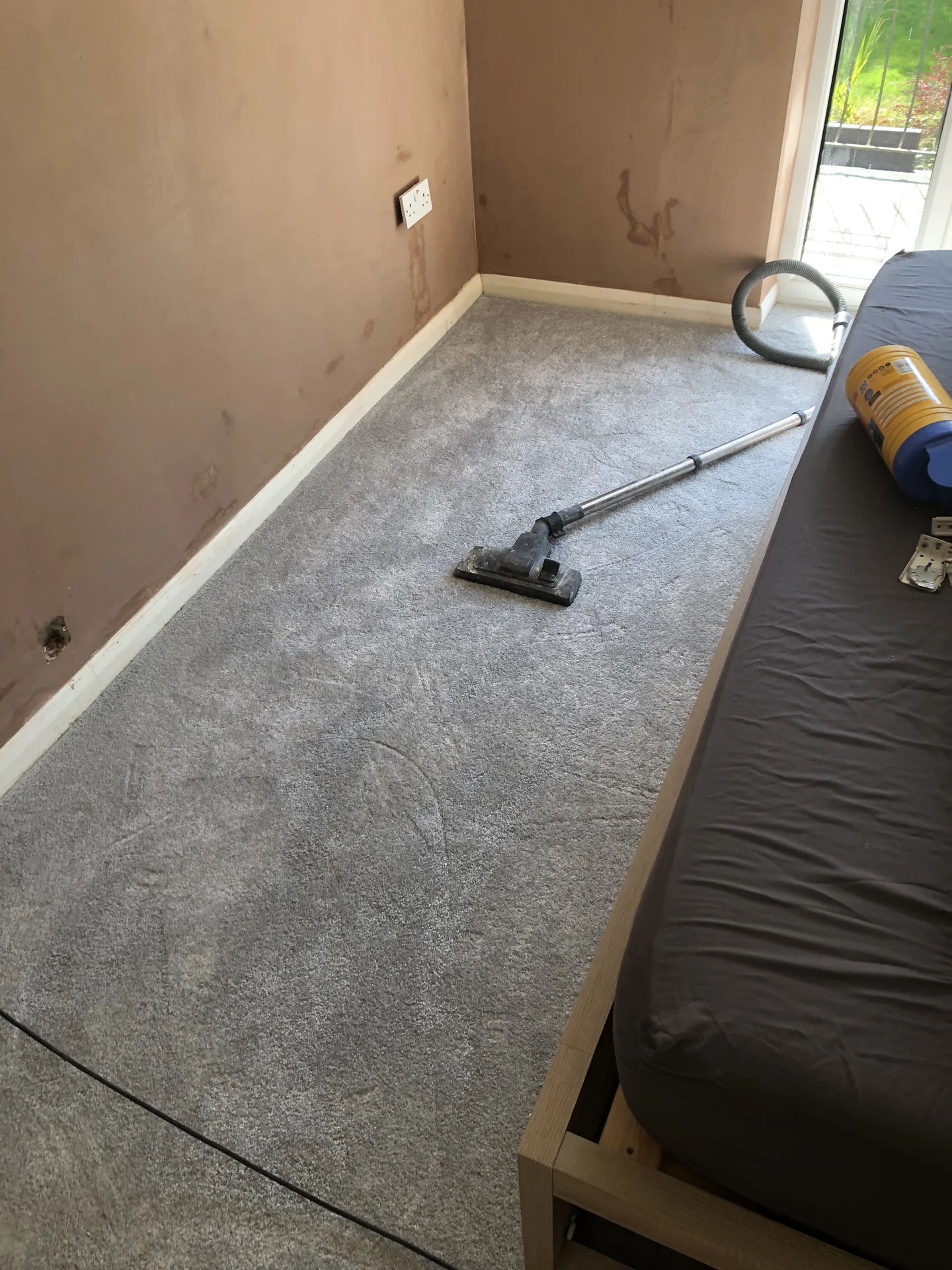
Look across the whole room rather than checking one convenient patch. Corners, chimney breasts, deep filled chases and areas behind stored furniture may behave differently from the middle of a wall. A uniform light colour can indicate progress, but persistent darker areas deserve investigation rather than concealment. Where there is doubt, seek an appropriate moisture assessment and follow the requirements of the decorating products rather than relying on appearance as the sole test.
Choose sizing or priming for the wallcovering
Bare plaster can absorb moisture rapidly, leaving too little working time to slide a wallpaper drop into position. Appropriate sizing or priming moderates that suction and can improve the consistency of the hanging process. The correct product depends on the plaster, adhesive and wallcovering. Some systems specify a dedicated primer, while others permit a suitable size; the manufacturer's preparation instructions should determine which route you take and how it is applied.
Avoid treating a leftover paint tin or general-purpose bonding liquid as an interchangeable substitute. A product that leaves an unsuitable film may create a new adhesion problem instead of solving absorption. Check dilution, drying conditions and compatibility together, including whether the preparation is suitable beneath the particular paste. Where instructions from the wallpaper supplier and adhesive supplier differ, ask for clarification before coating the wall, especially with specialist or delicate papers.
Inspect the finish before paste goes on
Use daylight and a light directed along the surface to locate ridges, trowel marks and small hollows. Wallpaper can emphasise defects rather than hide them, especially under lighting close to the wall. Fine papers may reveal tiny nibs, while patterned designs can make an uneven corner more noticeable. Correct isolated blemishes with suitable preparation and allow repairs to dry, keeping the surrounding plaster intact rather than abrading the whole room unnecessarily.
Remove loose dust carefully and check that any filled areas are secure and flush. Local repairs often absorb differently from the surrounding skim, so include them in the selected priming approach. If your paper is pale or slightly translucent, ask whether a consistent background colour is required and how that should be achieved within the recommended system. Do not discover contrasting patches only after the first full drop has been hung.
Plan seams, corners and room conditions
Before opening adhesive, work out the hanging sequence and where the most noticeable joins will fall. Corners and window reveals are rarely perfectly square, even after good plastering, so layout should account for the actual room. Follow the wallcovering's directions on pattern matching, trimming and whether paste belongs on the wall or the paper. Treat those instructions as product-specific rather than applying the method used for a previous decorating project.
Keep conditions reasonably steady during hanging and drying. Strong draughts or concentrated heat can dry seams faster than the rest of a drop, while a cold, damp room may prolong the process. Follow the paste instructions on ventilation rather than trying to accelerate everything at once. Clean adhesive from the face only as the wallpaper manufacturer allows, since aggressive wiping can mark some finishes even when the wall underneath has been prepared correctly.
Investigate lifting and staining before repapering
A curling seam does not always mean the plaster needed more paste. Uneven suction, an incompatible preparation coat, unsuitable adhesive or drying conditions can produce similar symptoms. Consider when the defect appeared and whether it follows repairs, corners or an external wall. Lifting a large area and immediately applying stronger adhesive may damage the paper without resolving the reason it failed. Keep product details so the decorator or supplier can assess the whole sequence.
Brown marks, recurring damp patches and musty odours need a separate investigation rather than another decorative covering. Water may originate from a leak, condensation or a building defect, and each requires a different response. Once the cause is addressed, damaged plaster may still need repair before wallpapering resumes. A stain-blocking treatment, where appropriate within the decorating system, is not a substitute for correcting continuing moisture entering or accumulating in the wall.
When to call a plasterer before wallpapering
Request plastering advice if broad ripples, crumbling patches or loose skim prevent you obtaining a dependable background. Deep chases from electrical work and multiple repairs at different levels can justify more than ordinary decorating filler. Explain what paper you intend to hang, because a fine, light-coloured covering may expose imperfections that a heavier embossed design would disguise. Keep the wall uncovered until the condition can be assessed and the appropriate repair discussed.
Stephen O'Brien has 25 years' experience and holds a Level 2 qualification in solid plastering, alongside British Gypsum certification. Based in Headcorn, he covers distances up to 25 miles. Call 07852 191811 between 7:30am and 6:30pm, Monday to Saturday, to discuss plasterwork before wallpapering. Share photographs of the full elevation and any problem areas, but allow for an inspection where images cannot establish whether the existing finish is firmly attached.
More about this topic
Does lining paper remove the need to prepare plaster?
Lining paper still needs a dry, sound and correctly prepared base. It can help with the decorating finish in suitable circumstances, but cannot stabilise loose plaster or remedy trapped moisture.
Can I use the wallpaper paste as size?
Only when the paste and wallpaper instructions allow that method, using the stated dilution and drying requirements. Other combinations may require a dedicated primer or a different preparation.
Why can I see repair patches through pale paper?
Differences in colour or absorption may be showing through the covering. Check whether the supplier specifies a uniform background, and establish the approved preparation before hanging further drops.
Should new plaster receive a mist coat before papering?
A painting preparation is not automatically suitable beneath wallpaper. Use the wallcovering system's specified treatment rather than adding a paint layer that has not been recommended for that purpose.