Read the colour, not the calendar
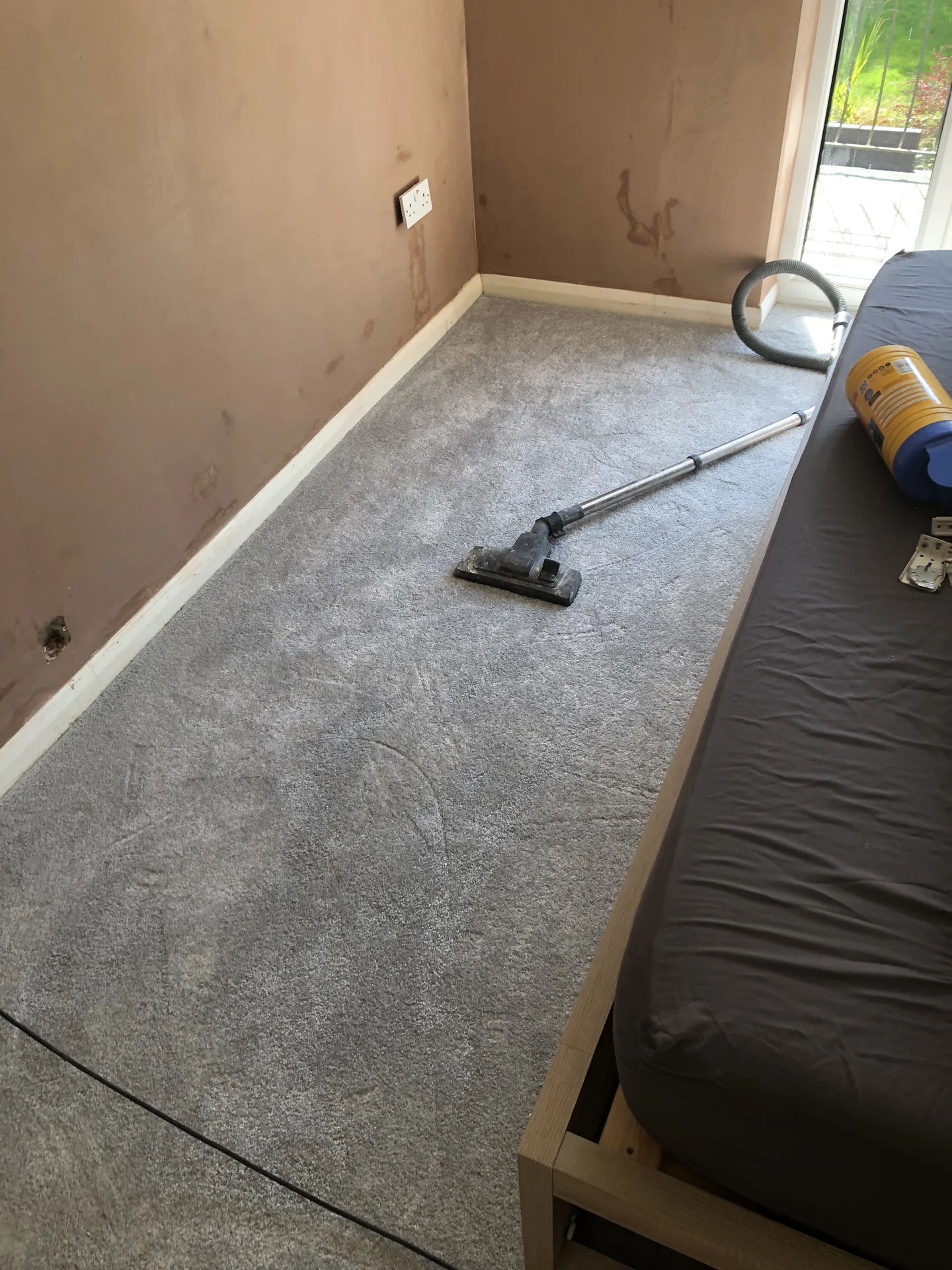
Fresh plaster usually changes from darker patches to a lighter colour as moisture leaves it. Watch recesses, corners and thicker repairs, which can stay dark after the surface has lightened. An even pale colour is a helpful sign, but consider the depth and material instructions too.
Drying varies with plaster thickness, the background beneath it, room heating and ventilation. A thin skim and a deep repair should not be judged alike. Allow gentle air movement and ordinary background warmth rather than directing strong heat at the wall. If patches remain dark or staining develops, ask for advice before decorating.
Smooth nibs without sanding away the finish
Inspect the dry surface under good light. Remove isolated nibs with a light touch and a fine abrasive where appropriate, rather than sanding the whole wall aggressively. Heavy rubbing can scratch plaster or leave areas with different absorption, which may show through the paint.
Clear loose dust thoroughly before coating. Keep the surface clean and check the paint instructions for any additional preparation. Do not apply a general glue or improvised sealer simply because the wall feels absorbent; a film that is unsuitable beneath paint can create another weak layer.
Use a suitable first coat
A mist coat is a first coat of suitable emulsion diluted with clean water as directed by the paint manufacturer. It helps the paint wet and bond to the absorbent plaster instead of losing moisture too quickly at the surface. There is no universal dilution that works for every paint.
Choose an emulsion whose instructions specifically allow use on bare, dry plaster. Mix and apply it according to those instructions, keeping coverage even and avoiding runs. Allow the coat to dry as specified before applying further paint. A patchy-looking first coat is not an invitation to flood the wall with a thicker mixture.
Why the wrong paint can peel
Vinyl-rich or wipeable paints may form a relatively closed film and may not suit direct application to bare plaster. Over damp plaster they can restrict moisture escape; over dry but very absorbent plaster, poor preparation can also prevent proper adhesion. Diluting an unsuitable paint does not automatically make it suitable.
Oil based paints are not a substitute for a mist coat on fresh plaster. A dense coating over remaining moisture can blister or detach. Check the complete coating system for the intended finish, including any primer it requires. A washable topcoat may be appropriate later, once the plaster and first coats are ready.
Lining paper and tiles need their own preparation
Lining paper should wait until plaster has dried fully. Otherwise moisture can affect paste adhesion and become trapped beneath the paper. Follow the paste and paper instructions for preparing absorbent walls; preparing for wallpaper is not necessarily the same as preparing for emulsion.
For tiling, check the adhesive requirements, the suitability of the plaster background and the total tile load. The wall may need a specified primer, but a paint mist coat is not a tile primer. Shower areas also need an appropriate waterproofing arrangement. Ask the tiler about the complete build-up before coating anything.
If painting has already gone wrong
Painting too soon can leave uneven colour, bubbles or peeling as moisture tries to escape. Adding further coats rarely fixes a poorly attached layer. Let the background dry, establish whether damp has another source, then remove unsound coating and prepare the surface for a compatible system. Avoid damaging the plaster while stripping failed paint.
More about this topic
Can I use leftover kitchen paint for the first coat?
Only if its instructions permit application to bare plaster with the stated preparation. Wipeable kitchen finishes are not automatically suitable.
Should I mist coat a wall that will be tiled?
Not as a default. The tile adhesive system may require a different preparation or primer; confirm this before painting.
Why does the roller lift off the first coat?
The coating may lack adhesion, remain insufficiently dry or have been applied over dust. Stop and investigate rather than repeatedly rolling it.
Can small plaster patches need different paint preparation?
Yes. New patches may absorb more than the surrounding painted wall. Prepare them appropriately before decorating the wider surface.