Short answer
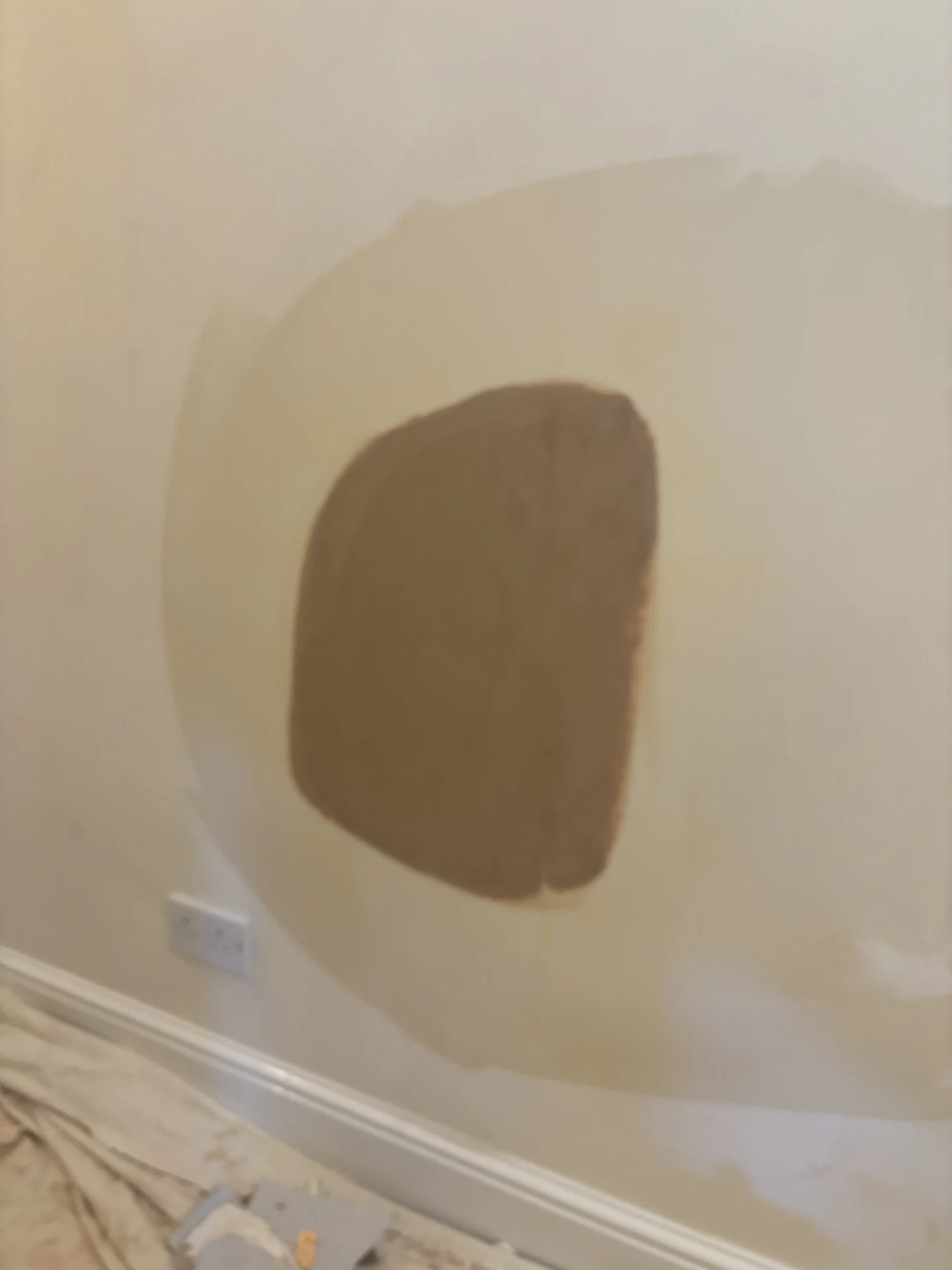
Look at where and how it peels. Large sheets lifting from fairly new plaster usually point to a missing or too thick first coat. Flaking with a white powdery residue behind it suggests salts or damp. Peeling on an old ceiling may mean distemper underneath. Each has a different fix, so finding the cause comes before scraping and painting again.
Safety first with older paint
Paint applied before the 1980s may contain lead. Do not dry sand or burn off old paint of unknown age. Lead test kits are widely available; if lead is present, use wet methods, protect the room and consider a specialist. Also be aware that some old textured coatings, such as Artex, may contain asbestos; never sand or scrape them, and get a sample tested by an accredited lab first. Our Artex asbestos guide explains more.
New plaster painted too soon or without a mist coat
Fresh plaster is very absorbent and must be completely dry before painting. If standard emulsion goes straight on, it sits on the surface instead of soaking in, and later peels away in sheets. Vinyl and wipeable paints are a common culprit because they form a skin. The right approach is a thinned mist coat of a suitable emulsion first, followed by finishing coats. Our guides on painting new plaster and drying times cover this in detail.
Damp and salts
Moisture moving through a wall carries salts that crystallise on the surface and push paint off, often leaving a white fluffy deposit. Typical places are low on external walls, around chimney breasts and near leaks. Repainting will not last until the moisture source is fixed and contaminated plaster is replaced. Our page on damp and salt damaged walls explains the repair, and the condensation guide covers moisture from inside the home.
Powdery or dusty surfaces
If plaster was overworked, dried too fast or was left dusty after sanding, paint can bond to the dust instead of the wall. Rub your hand across the bare surface: if it leaves a chalky mark, the surface needs cleaning and a suitable stabilising primer before painting. Badly blown or crumbling plaster needs cutting out and repairing; see our page on blown plaster.
Distemper on old ceilings
Older houses may have distemper under modern paint. It is chalky and water soluble, so new paint lifts it off. Washing it off with warm water and a sponge, then sealing the surface, is the traditional fix, but on large ceilings skimming or overboarding can be simpler. Wear eye protection and work from a stable platform, not a chair.
How to fix peeling paint
Scrape off all loose paint until the edges are firmly stuck. Feather the edges smooth, taking care with older paint as above. Find and fix any moisture problem and let the wall dry. Clean off dust and salts. Fill or repair damaged plaster, and skim the wall if the surface is badly uneven or patchy after stripping. Prime bare areas appropriately, then repaint.
Where large areas have peeled or the surface is a patchwork of repairs, a fresh skim is often the neatest result, giving a sound new surface ready for a mist coat.
Choosing the right paint afterwards
Once the surface is sound, use paint suited to the room. Kitchens and bathrooms benefit from a moisture resistant finish, but only once the wall has been properly primed or mist coated. On older walls with lime plaster, a breathable paint helps moisture escape rather than trapping it behind a plastic skin, which is a common cause of repeat peeling in period homes. Allow each coat to dry fully before the next, and keep the room ventilated while it does.
What affects the cost of putting it right
The cost depends on the cause and the extent. A small patch of peeling paint needs little more than preparation and decorating, while damp damage may involve a specialist repair, replacing plaster and drying time. Skimming a whole wall or ceiling, removing distemper and working at height all add time, as does the need to protect a furnished room.
When to call a professional
Call for help if peeling keeps coming back, appears with damp patches or salts, covers a ceiling, or reveals crumbling plaster. Stephen repairs and skims plaster walls and ceilings so they are sound and ready for decorating; painting itself is left to you or your decorator.
More about this topic
Why is paint peeling off my new plaster?
Usually because it was painted before it dried fully or without a thinned mist coat, so the paint never soaked in and bonded.
Can I paint over peeling paint?
No. New paint will lift with the loose layer. Scrape back to firm edges and fix the cause first.
What is the white powder behind peeling paint?
Often salts brought to the surface by damp. The moisture source needs fixing and affected plaster may need replacing.
Is old peeling paint dangerous?
Paint from before the 1980s may contain lead. Do not dry sand or burn it; test it and use safe methods.
Should I skim a wall after stripping peeling paint?
If the surface is badly uneven or patchy, a skim gives a sound, smooth base and usually the best finish.