When replacement beats repair
Most ceilings can be repaired, but replacement becomes the better option in a few situations. A ceiling that sags noticeably between the joists, or has come away from them, is no longer properly supported. One that keeps cracking in the same places despite filling and repainting may have weak or broken material behind the surface.
Heavy damage is the other common reason. A serious leak can leave plasterboard soft and bowed, and old ceilings that have been patched many times can end up with a mix of materials that never sit flat. Sometimes a ceiling also needs to come down for other work, such as a new layout, replacing rotten timbers or improving the space above. Stephen will look at the ceiling and tell you plainly whether he thinks it can be saved.
Replacement or overboarding
Overboarding fixes new plasterboard over the existing ceiling and finishes it with a skim. It avoids most of the mess of taking a ceiling down and suits ceilings that are uneven or cracked but still firmly fixed. Our overboarding and skimming page explains that option in full.
Replacement is the answer when the old ceiling cannot safely carry new boards over it, when it is already falling, or when the extra weight and thickness of a second layer are not suitable. It also lets you see the joists and the void above, which is useful if you suspect damage. Where both options would work, Stephen will explain the trade-offs so you can choose.
The process: strip out, board, joint and skim
The old ceiling is carefully taken down and the debris bagged and removed from the room. Old nails and fixings are cleared from the joists, which are checked to make sure they offer a good fixing. Any joists that are damaged need attention before boarding, and this may involve another trade.
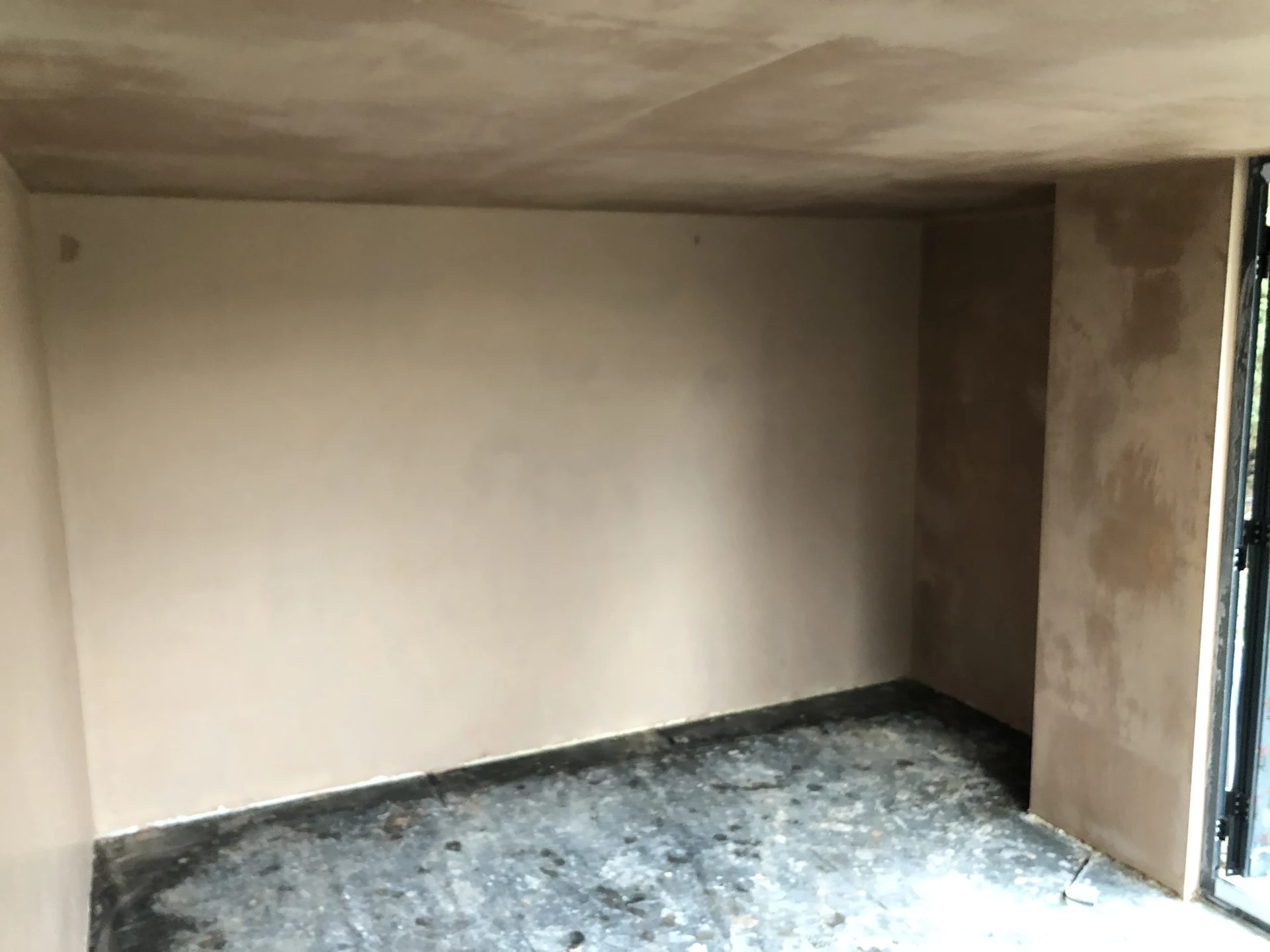
New plasterboard is then fixed to the joists, with the joints staggered and properly secured. The joints are taped and the whole ceiling receives a skim coat to give a smooth, continuous finish ready for decorating. Where the ceiling meets the walls, the edges are made good, and coving can be fitted afterwards if you would like it. The room is cleaned down at the end of the work.
Mess, dust and how long the room is out of use
Taking a ceiling down is one of the messiest plastering jobs. Old plaster, dust and anything that has collected above the ceiling over the years will come down with it, so the room needs to be completely cleared. Doors should be kept shut and nearby rooms protected, as fine dust travels.
How long the room is out of use depends on its size, the condition of the joists and how quickly the new skim dries. Stephen will give you an idea of the timescale for your room when he quotes. After the work, the new plaster needs to dry before you paint, so plan a short gap before the decorators come in. Our guide to plaster drying times explains why.
Lights, smoke alarms and other trades
A new ceiling affects anything fixed to it. Light fittings, ceiling roses, smoke and heat alarms and extractor fans will need disconnecting before work starts and reconnecting afterwards. Electrical work should be carried out by a qualified electrician, so book one to make these safe beforehand and return once the ceiling is up.
Taking a ceiling down is also a good moment for jobs that are easier with it open, such as moving light positions, adding cabling or improving insulation where appropriate. Planning these in advance with the relevant trades means the new ceiling does not need to be cut open again later.
Arrange a quote
If your ceiling is sagging, badly cracked or damaged, send Stephen a few photos and a note of the room size and the age of the house.
Stephen O’Brien is based in Headcorn and covers up to 25 miles, including Maidstone and Ashford. With 25 years’ experience, Level 2 qualified in solid plastering and British Gypsum certified, he can advise whether to repair, overboard or replace. Call 07852 191811, Monday to Saturday from 7:30am to 6:30pm, or use the free quote form.
Questions homeowners ask
Is it better to replace or overboard a ceiling?
If the existing ceiling is firmly fixed, overboarding is usually quicker and less messy. If it is sagging, loose or badly damaged, replacement is the safer choice. Stephen will look at the ceiling and explain which suits it.
How messy is taking a ceiling down?
Very. Old plaster, dust and debris from the void all come down, so the room must be emptied and sealed off as far as possible. Nearby rooms and walkways also need protecting.
How long does a ceiling replacement take?
It varies with the size of the room, the state of the joists and drying conditions. Stephen will give you a timescale for your particular room when he quotes, and the new plaster will need time to dry before painting.
Do I need an electrician for the light fittings?
Yes. Lights, alarms and fans should be disconnected and made safe by a qualified electrician before the ceiling comes down, then refitted once the new ceiling is finished.
Can you replace a ceiling in an older house?
Yes. Older ceilings may be lath and plaster, which is heavier and messier to remove, and the joists may need checking. Stephen will also discuss whether any period features are worth keeping.