Before the room is emptied
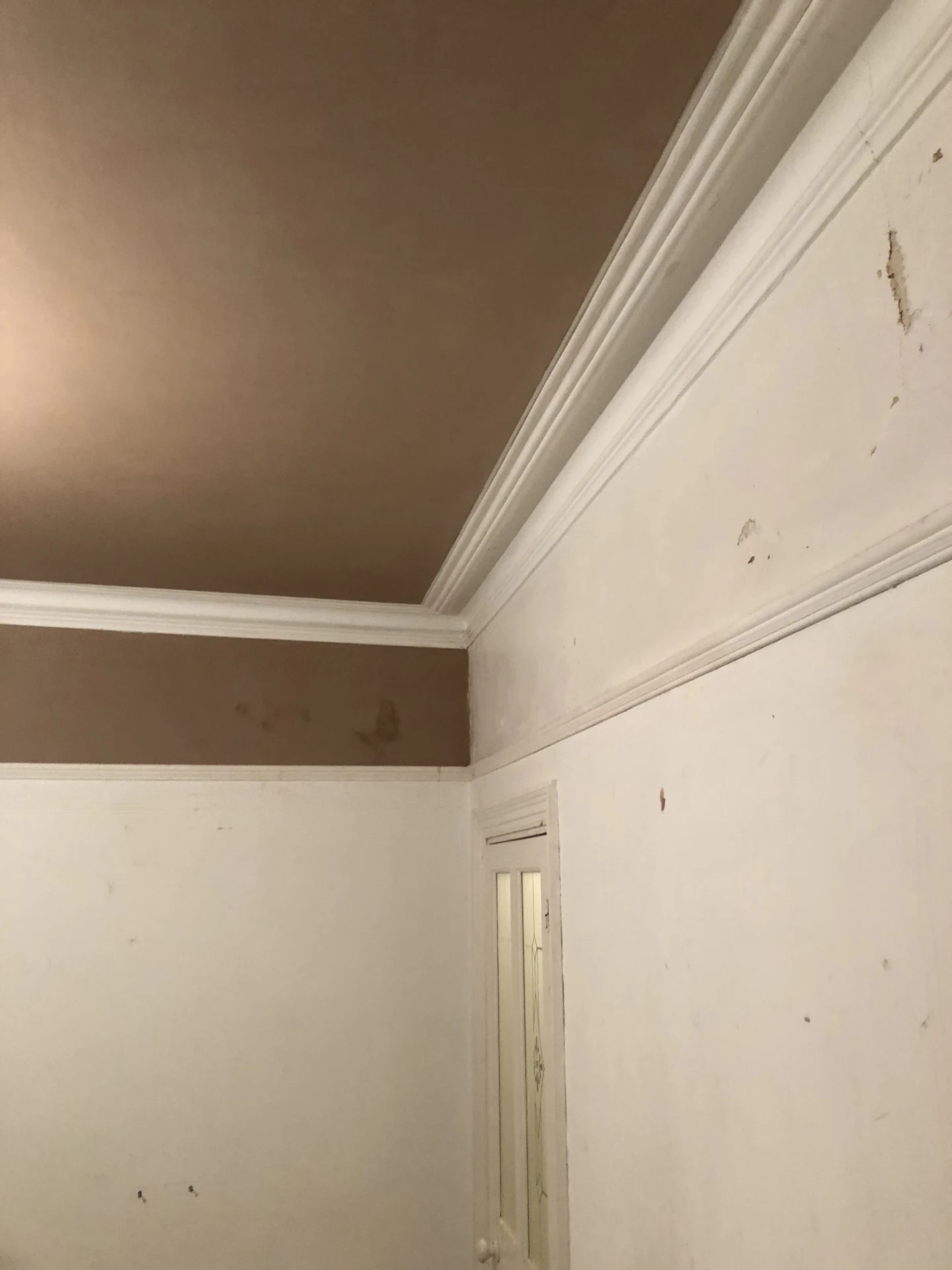
An older town house might have plaster of different ages within one room. Later repairs, boxed-in services and retained decorative features can sit alongside one another. A weatherboarded exterior does not identify the internal background, so describe the visible surfaces and any construction details you already know.
Take photographs before removing cupboards or trim if they help explain the layout. Then distinguish areas you can see from those still concealed. Nobody can establish the state of hidden plaster from a picture of a closed cupboard. It is better to acknowledge that uncertainty than assume everything will be ready for skimming.
Stephen works from Headcorn, about 6 to 7 miles to the north-east. The journey south-west to the town takes roughly 20 minutes depending on traffic. His coverage reaches up to 25 miles from that base, including enquiries about smaller pieces of plastering as well as broader room work.
Once alterations reveal the background
Removing a partition or opening up an alcove may expose several materials. New plasterboard, old masonry and retained plaster need appropriate treatment where they meet. Explain the alteration and which edges will stay visible. A request for plasterboarding should also say how the resulting face is intended to be finished.
Skimming supplies a new surface on a suitable background. It does not fill every deep opening or make a failing base secure. If a wall has lost substantial material, say so. Patch plastering and more extensive renewal belong in the discussion before selecting a thin finishing coat.
For a flat, include which floor the work is on and whether access involves shared stairs. For an older cottage, identify beams, mouldings or other details that must remain. These are example considerations rather than assumptions about any particular property; the actual room sets the scope.
Where a listed building is involved, speak to the council before removing or changing internal features. Traditional plaster may need compatible repair materials. Do not strip an unfamiliar surface simply to make the room look ready for a quote, especially where its significance has not been established.
Bring the ceiling into the same plan
New wall finishes can make an overlooked ceiling more noticeable. If it has cracking, previous boarding or a textured finish, include it in your initial description. Ceiling plastering and plasterboarding are separate services, and the condition of the existing construction helps determine which approach should be considered.
Older textured coatings can contain asbestos. Seek suitable advice before disturbing them, including scraping high spots or sanding around fittings. If plumbing or electrical changes are planned overhead, explain that sequence rather than treating the ceiling as ready for its decorative finish now.
One clear request for a quote
Stephen O'Brien Plastering is fully qualified and insured, with 25 years' experience. Call 07852 191811 or complete the free quote form on this page with your name, phone and postcode. Optional photos and a message can set out the room, retained details and unfinished alterations.
Separate must-do repairs from optional changes such as renewing sound neighbouring walls. This makes your priorities clear without choosing a technical specification in advance. Opening hours are 7:30am to 6:30pm, Monday to Saturday; there is no need to wait until you know every trade term before enquiring.
Questions homeowners ask
Does a weatherboarded Cranbrook house need a particular internal plaster?
The cladding alone cannot answer that. Existing internal materials and their condition need consideration, especially where traditional construction survives.
What should a town-centre flat owner mention about access?
State the floor and whether stairs or entrances are shared. Add any known access restrictions alongside the postcode and room description.
Can an alcove exposed during refurbishment be included?
Yes. Show its edges and the adjoining surfaces, and explain what was removed so the repair is not described as a simple flat wall.
Should I remove historic mouldings to simplify the enquiry?
No. Identify features you intend to keep and check any listed-building requirements before removing details or surrounding plaster.