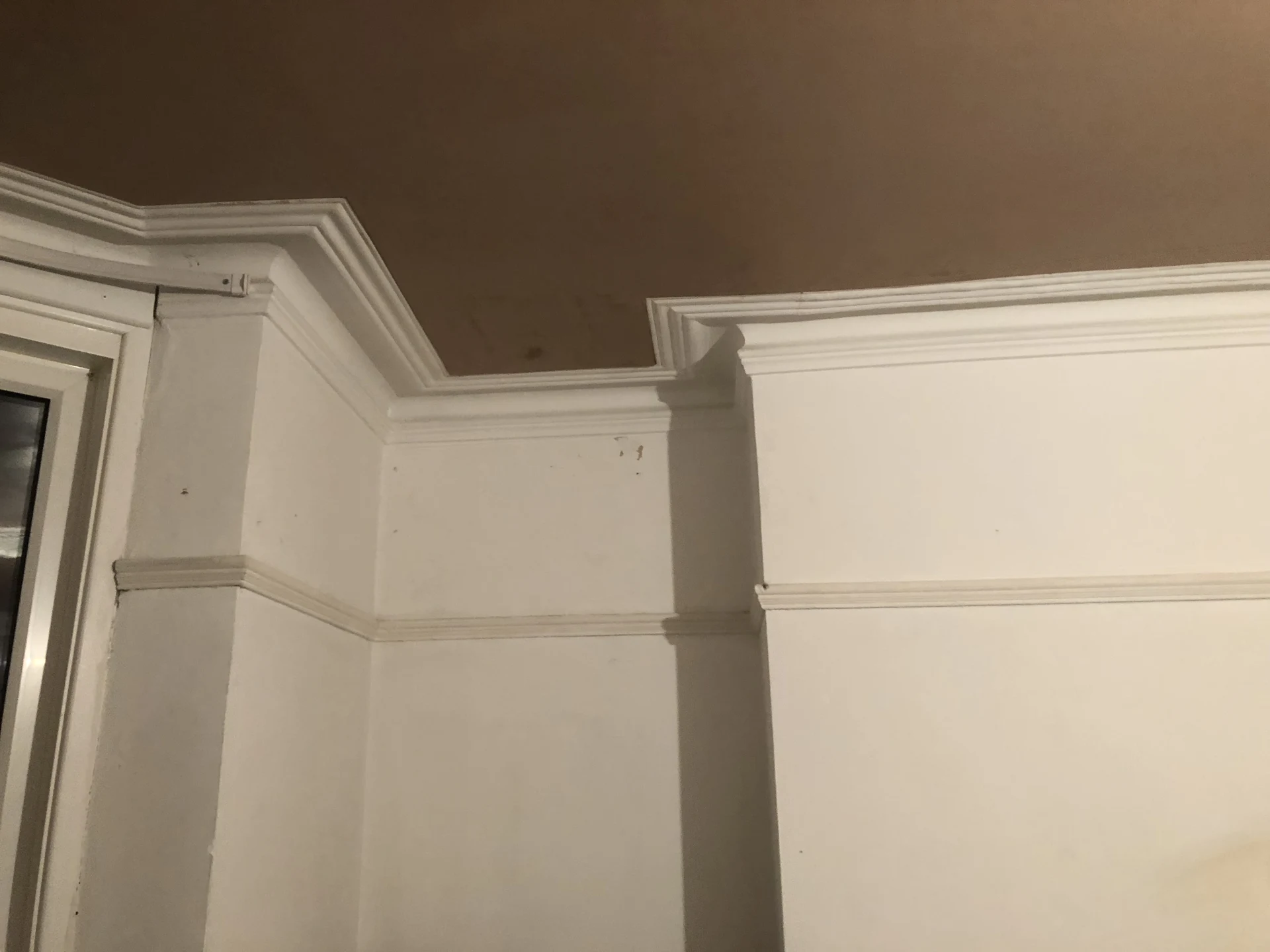
Hairline, settlement and spreading cracks
Not every crack means the same thing. Fine hairline lines are common, particularly along plasterboard joints or around the edge of a room where the ceiling meets the wall. They often come from small amounts of seasonal movement in the timber above, or from paint and filler shrinking as they age. They tend to be straight, short and stable.
Settlement cracks are a little different. They usually appear in newer homes or after an extension, as a building settles and the structure finds its level. They can look alarming, but many stop moving once that early period passes. Spreading cracks are the ones to watch: lines that lengthen over a few months, branch out, open wider at one end or run diagonally away from a corner. Taking a dated photo, or marking the ends lightly in pencil, is a simple way to see whether a crack is still on the move before anyone repairs it.
When a crack points to something bigger
Some signs suggest the problem is more than the surface finish. A ceiling that dips or bows when you look along it from a low angle, plaster that sounds hollow or feels loose when gently pressed, and brown or yellow staining around the crack all deserve proper attention. Staining usually means water has reached the ceiling at some point, so the source needs tracing first.
If a ceiling is visibly sagging or pieces have started to fall, keep people out of the room and avoid pushing on it. In older homes, a long crack can run along the line of the laths, which may mean the original plaster has lost its grip; our page on lath and plaster ceiling repair explains that in more detail. Where cracking seems linked to wider movement in the walls or roof, it is sensible to have the structure checked by a suitable professional before replastering.
Repair options: tape and fill, skim, overboard or replace
For a sound ceiling with a few stable cracks, the crack can be opened slightly, reinforced with tape and filled, then finished so it sits flush. This suits isolated faults in an otherwise good ceiling.
Where cracks are spread across the surface, a full skim gives a fresh, continuous finish over the whole area rather than a patchwork of filled lines. If the ceiling is uneven, weak in places or has been repaired many times, overboarding with new plasterboard fixed through to the joists, followed by a skim, gives a solid new face without removing the old one. When the ceiling is badly damaged or no longer safe, taking it down and replacing it is the honest answer. Stephen will look at the ceiling and explain which route suits it before any work is agreed.
How the job runs
Ceiling work affects the whole room, so it helps to plan for it. Clearing as much furniture as you can makes the space safer and easier to protect, and anything left behind will need covering. Floors and remaining items are sheeted, and light fittings may need taking down beforehand; an electrician can do that if you are unsure.
Plastering creates some dust, especially where old material is cut back or boards are fitted, so closing doors and keeping the room shut off helps. Once the new finish is on, it needs to dry fully before decorating. Fresh plaster changes colour as it dries, and painting too soon can trap moisture and cause problems with the paint. A thinned first coat, often called a mist coat, is usually recommended on new plaster. Our guide on how long plaster takes to dry covers what affects drying in a normal home.
Older ceilings and artex finishes
Cracks in textured ceilings bring an extra consideration. Many homes built from the 1960s to the 1980s have artex or similar coatings, and older textured coatings may contain asbestos. That means a cracked artex ceiling should not be sanded, scraped or drilled before its make-up is known.
Where a textured ceiling is sound apart from cracking, it can often be covered with a smooth skim rather than disturbed. Stephen explains this approach on the skimming over artex page. If you are not sure what your ceiling is made of, mention its age and appearance when you get in touch, and send a photo if you can.
Arrange a look at your ceiling
If you are watching a crack and wondering whether it needs attention, a photo is a good place to start. Send a picture of the crack and a wider shot of the ceiling, along with the rough age of the house and anything you know about leaks or building work above.
Stephen O’Brien has 25 years’ experience, is Level 2 qualified in solid plastering and is British Gypsum certified. He works for homeowners up to 25 miles from Headcorn, including Maidstone and Ashford, Monday to Saturday from 7:30am to 6:30pm. Call 07852 191811 or use the free quote form to arrange a visit.
Questions homeowners ask
Are ceiling cracks a sign of a structural problem?
Most fine cracks are cosmetic and come from minor movement or ageing paint. Cracks that keep growing, run diagonally, come with sagging or appear alongside cracks in walls should be looked at more closely, and a structural check may be needed before plastering.
Can you skim over a cracked ceiling?
Yes, if the ceiling underneath is sound. Cracks are reinforced first so they are less likely to show through. If the old plaster is loose or the ceiling sags, it needs overboarding or replacing rather than a skim alone.
Why do cracks come back after filling?
Filler alone does not cope well with movement, so the line often reopens. Taping across the crack, or giving the whole ceiling a new skim or board, deals with the cause of the reappearing line better than repeated filling.
How long before I can paint a repaired ceiling?
It depends on the size of the repair, the room temperature and ventilation. Wait until the plaster has turned an even, pale colour all over, then use a mist coat first. Stephen can advise on your particular room.
Do you repair cracks in artex ceilings?
Stephen can skim over a sound artex ceiling to give a smooth finish. Because older textured coatings may contain asbestos, the surface should not be sanded or scraped, and testing by an accredited laboratory is sensible if you are unsure.